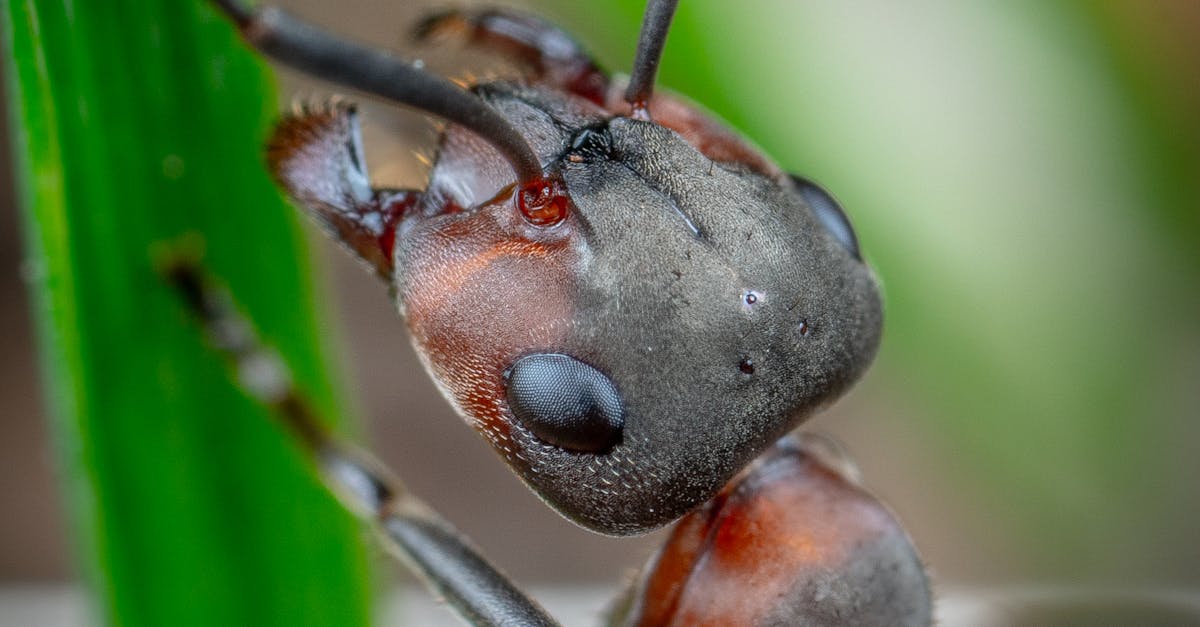
Maui Agriculture & Landowners Face Escalating Pest Control Costs Amidst Fire Ant Surge
Executive Brief
The unchecked spread of invasive stinging fire ants on Maui is forcing agriculture producers and landowners to prepare for significantly increased pest management expenses and potential property damage within the next quarter. Proactive monitoring and intervention strategies are now critical to mitigate escalating costs and operational disruptions.
- Agriculture & Food Producers: Anticipate 10-20% higher pest control budgets, potential crop yield reductions, and increased biosecurity measures.
- Real Estate Owners: Face higher landscape maintenance costs and potential property value impact if infestations reach residential or commercial zones; monitor property perimeters.
- Action: Agriculture producers should review current pest management plans and budget for enhanced treatments. Real estate owners should increase perimeter monitoring frequency.
The Change
Despite ongoing control efforts, the population of invasive stinging fire ants (Solenopsis geminata) has reached a critical surge point on Maui. Experts warn that the ants' rapid reproduction and spread significantly increase the risk of widespread infestation if containment fails. While specific implementation timelines for new mandatory actions are not yet defined, the escalating biological reality necessitates immediate attention to intensified pest management strategies for all affected parties.
Who's Affected
Agriculture & Food Producers: Farmers and ranchers on Maui are at the forefront of this escalating threat. The ants aggressively attack crops, feeders, and irrigation systems, potentially leading to significant yield losses and damage to equipment. Increased pest control measures, including more frequent and potent applications of pesticides or advanced traps, could raise operational expenses by an estimated 10-20% in the coming year. Furthermore, maintaining biosecurity protocols to prevent ant introduction into sensitive growing areas will require additional labor and resources. Aquaculture operations may also face challenges with ants impacting water quality or preying on young stock.
Real Estate Owners: Property owners, including commercial landlords and residential property managers, face indirect but significant consequences. Untreated infestations can damage landscaped areas, compromise structures by nesting in electrical components, and create unpleasant or even hazardous conditions for occupants. While direct costs may initially be lower than for agricultural operations, the cumulative expense of enhanced landscaping maintenance, potential structural repairs, and decreased property appeal due to visible ant activity can become substantial. For those with large landholdings, monitoring and proactive perimeter treatment will become a recurring, potentially costly, necessity.
Second-Order Effects
The escalating fire ant invasion on Maui is poised to trigger a cascade of economic and operational challenges within the island's constrained ecosystem.
- Increased Pest Control Costs → Higher Operating Expenses for Agriculture → Potential price increases for locally sourced food products → Reduced consumer purchasing power and increased cost of living for residents.
- Unchecked ant spread → Damage to natural habitats and agricultural land → Reduced biodiversity and ecosystem services → Potential long-term degradation of land value and agricultural productivity.
- Increased demand for pest control services and products → Potential strain on local supply chains and specialized labor availability → Delays and higher costs for integrated pest management solutions.
What to Do
Action Level: WATCH
Given the escalating biological threat and the potential for rapidly increasing costs, proactive monitoring and preparation are essential. While formal mandates are pending, the current trajectory necessitates immediate strategic planning.
Agriculture & Food Producers:
- Action: Review existing Integrated Pest Management (IPM) plans and identify areas for enhancement. Budget for a potential 10-20% increase in pest control expenditures for the next fiscal year. Enhance on-farm biosecurity measures, including regular inspections of incoming materials and equipment.
- Monitor: Track reports from the Maui Invasive Species Committee and the Hawaii Department of Agriculture regarding fire ant spread and recommended control strategies. Pay close attention to any new county or state directives on invasive species management.
- Trigger for Increased Action: If new, localized outbreaks are confirmed near your operational areas or if recommended control methods shift significantly to more costly interventions, initiate enhanced treatment protocols immediately.
Real Estate Owners:
- Action: Increase the frequency of perimeter inspections for signs of fire ant nesting. Consult with landscaping and pest control professionals about proactive barrier treatments, especially around structures and high-traffic areas.
- Monitor: Stay informed through local news outlets and homeowner association communications regarding fire ant presence in your specific community or development.
- Trigger for Increased Action: If visible ant activity is reported in neighboring properties or if professional assessments indicate an increased risk of infestation on your property, implement targeted treatment plans and consult with legal counsel regarding potential landlord responsibilities or disclosure requirements.
Action Details
Because the fire ant invasion has reached a tipping point, monitoring the spread and recommended control measures from organizations like the Maui Invasive Species Committee is crucial. Agriculture producers should proactively allocate an additional 10-20% of their pest control budget for the upcoming year and enhance on-farm biosecurity. Property owners should increase perimeter inspections and consider preventative landscaping treatments. The trigger for more aggressive action for both groups will be official confirmations of nearby outbreaks or significant shifts in recommended, more costly, control strategies from HDOA or MISC.