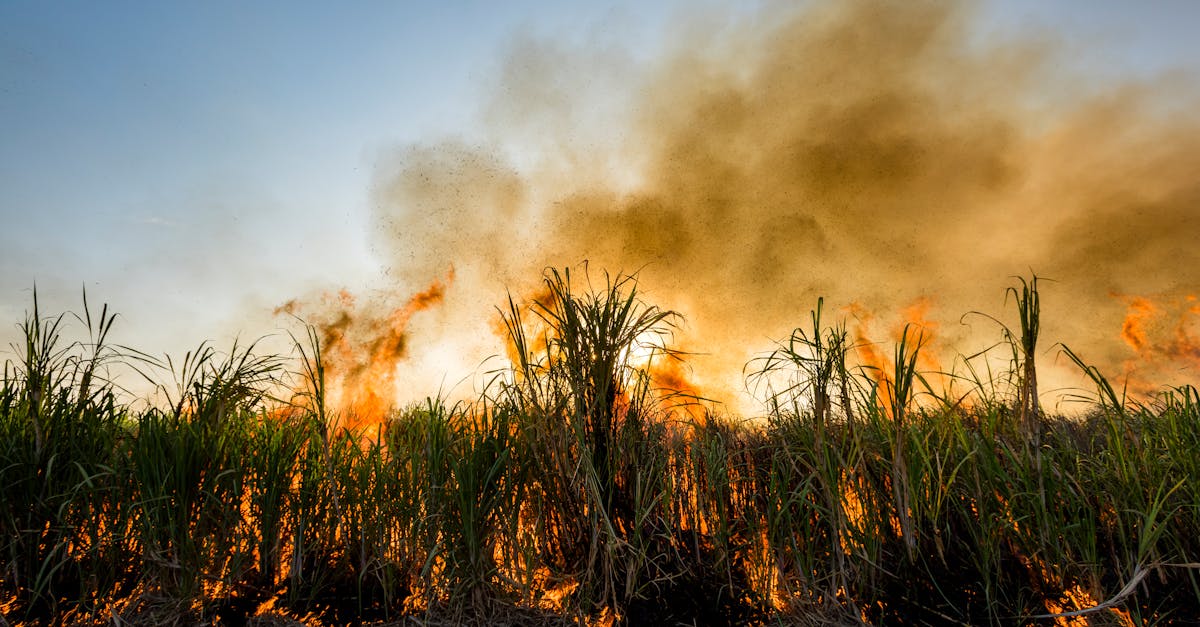
Maui Fire Weather Threat Elevates Risk for Tourism, Agriculture, and Real Estate Operations
Executive Brief
Elevated fire weather conditions on Maui increase the risk of wildfires, posing immediate threats to property, operations, and visitor safety. Tourism operators, agricultural producers, and real estate owners must monitor conditions and prepare for potential disruptions. Tourism operators should review emergency protocols and visitor communications, while agriculture and real estate owners should assess property defensibility and implement fire prevention measures. Watch fire danger indices and county advisories.
- Tourism Operators: Increased risk of operational disruptions, visitor safety concerns, and potential cancellations.
- Agriculture & Food Producers: Threat to crops, livestock, and infrastructure; potential for land loss.
- Real Estate Owners: Elevated risk of property damage and increased insurance costs.
- Small Business Operators: Disruption of supply chains, reduced foot traffic, and potential damage to business premises.
- Action: Monitor Maui County Civil Defense alerts and Hawaii Fire Department advisories daily.
The Change
As of August 14, 2026, Maui is experiencing increased trade winds combined with dry conditions, significantly elevating the fire weather threat. While occasional showers are forecasted for windward and mauka areas, the overall risk for wildfire ignition and rapid spread remains high across the island. This elevated threat is not a singular event but a condition that requires ongoing vigilance until weather patterns shift.
Who's Affected
Tourism Operators
Hospitality businesses, including hotels, vacation rentals, and tour operators, face direct threats. Wildfires can lead to evacuations, road closures, and a significant drop in visitor confidence, potentially causing cancellations and impacting bookings for the coming weeks. Ensuring clear communication channels with guests and having robust emergency preparedness plans are critical. The perception of safety is paramount for visitor arrivals.
Agriculture & Food Producers
Farmers, ranchers, and food producers are particularly vulnerable. Dry conditions and strong winds can rapidly turn small ignitions into destructive fires, threatening crops, livestock, and vital infrastructure like irrigation systems and farm buildings. Land used for grazing or cultivation may become unusable if scorched, impacting long-term production cycles and potentially leading to significant financial losses. The cost of replanting or replacing lost assets can be substantial.
Real Estate Owners
Property owners, developers, and landlords must consider the increased risk of wildfire damage. Homes and commercial properties in or near wildland urban interfaces are at higher risk. This elevated threat can lead to increased insurance premiums or difficulty obtaining coverage. The defensibility of properties, including landscaping and structural hardening, becomes a more urgent concern.
Small Business Operators
Beyond direct property damage, small businesses can suffer from secondary impacts. Wildfires can disrupt supply chains, leading to stock shortages and increased costs for goods. Road closures can significantly reduce foot traffic, impacting retail and restaurant sales. Businesses relying on local produce may face ingredient shortages. Emergency preparedness should extend to business continuity plans.
Second-Order Effects
The immediate impact of increased fire weather can trigger a cascade of economic consequences. A significant wildfire event could lead to extensive property damage, necessitating costly rebuilding efforts. This, in turn, would strain local construction resources, potentially driving up costs for all development and renovation projects, impacting real estate owners and small businesses alike. Furthermore, severe wildfire events often lead to increased environmental regulations and land use restrictions, which can affect agricultural operations and future development plans. Elevated insurance premiums across multiple sectors will also contribute to higher operating costs for businesses and potentially impact affordability for consumers and residents.
What to Do
Given the elevated fire weather threat, proactive monitoring and preparation are essential for all affected roles. This is not a time for complacency; continuous assessment of conditions and adherence to safety guidelines are paramount.
Tourism Operators
- Monitor Alerts: Closely follow Maui County Civil Defense, the Maui Fire Department, and the National Weather Service for real-time updates on fire danger and any issued restrictions.
- Review & Update Emergency Plans: Ensure evacuation routes are clear, communication systems are functional, and staff are trained on emergency procedures.
- Visitor Communication: Prepare proactive communication strategies for guests regarding potential impacts and safety measures. Provide clear guidance on fire safety and restricted areas.
- Insurance Review: Verify that your business insurance policies adequately cover potential wildfire-related damages and business interruption.
Agriculture & Food Producers
- Implement Fire Breaks: Ensure adequate fire breaks are maintained around fields, pastures, and structures.
- Water Management: Secure and prepare water sources for firefighting purposes if feasible.
- Livestock & Crop Protection: Develop plans for moving livestock to safer areas and protecting high-value crops or stored feed.
- Equipment Safety: Ensure farm equipment is maintained and operated in a manner that minimizes ignition risk.
Real Estate Owners
- Property Defensibility: Assess and improve the defensibility of your property, including clearing dry vegetation, maintaining landscaping, and ensuring "ember-resistant" building materials where possible.
- Insurance Assessment: Review your insurance policies to understand coverage limits and deductibles related to wildfire damage. Consider additional coverage if necessary.
- Community Awareness: Engage with local fire departments and community groups on wildfire preparedness initiatives.
Small Business Operators
- Business Continuity Plan: Develop or update a plan that addresses potential disruptions from power outages, supply chain interruptions, or limited access to premises.
- Data Backup: Ensure critical business data is backed up off-site or in the cloud.
- Supply Chain Diversification: Explore alternative suppliers if local sources may be impacted by fires.
- Communication Plan: Establish how you will communicate with employees and customers during an emergency.
Until significant weather pattern changes occur, treat this elevated fire weather threat as an active risk requiring daily attention. The cost of preparedness is significantly lower than the cost of recovery.