Escalation in Middle East Threatens Economic Stability for Hawaii
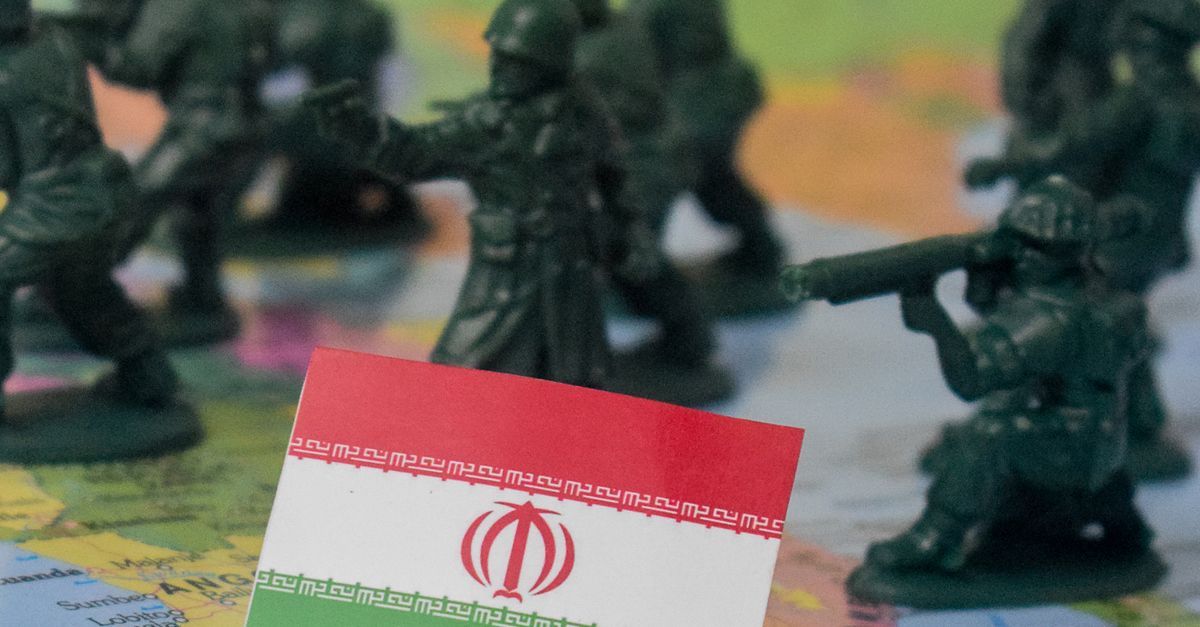
Recent events in the Middle East, marked by Iran opening fire on U.S. warships and subsequent U.S. retaliation destroying six Iranian small boats, elevate the risk of broader regional conflict. While the immediate confrontation was contained, recurring tensions in this critical geopolitical area have direct implications for Hawaii's isolated economy, primarily through potential impacts on global energy prices and international trade routes.
Who's Affected
-
Small Business Operators: Businesses across all sectors, from restaurants to retail and services, are vulnerable to increased operating costs. A sustained rise in global oil prices directly translates to higher fuel surcharges on freight and increased energy expenses for utilities, impacting margins. Any disruption to shipping lanes, even minor ones, can lead to delays in receiving essential supplies, affecting inventory and customer service.
-
Tourism Operators: Hawaii's tourism industry is sensitive to global economic conditions. Higher fuel prices can lead to increased airfare, making Hawaii a less attractive or more expensive destination. This could dampen visitor demand, impacting hotels, tour operators, and related hospitality businesses. Furthermore, increased operational costs for airlines and shipping companies could be passed on indirectly.
-
Agriculture & Food Producers: As an island state, Hawaii relies heavily on imported food and agricultural inputs. Disruptions in global shipping due to heightened tensions can lead to significant delays and increased freight costs. This impacts not only the cost of imported goods but also the export logistics for local agricultural products, potentially reducing competitiveness.
-
Investors: Investors in sectors sensitive to geopolitical risk, such as energy, transportation, and logistics, should be particularly vigilant. Volatility in oil prices can create both opportunities and risks. Companies with significant supply chain exposure to the Middle East or those heavily reliant on fuel costs will face increased scrutiny.
-
Entrepreneurs & Startups: Startups, often operating with leaner margins, are particularly susceptible to increases in overhead costs driven by energy prices and supply chain disruptions. Scaling operations can become more challenging if the cost of goods and transportation rises unexpectedly.
-
Real Estate Owners: While less direct, prolonged economic instability stemming from geopolitical events can indirectly affect the real estate market. Reduced tourism or increased business operating costs could lead to lower demand for commercial rentals or impact consumer spending, potentially affecting local economies.
Second-Order Effects
Heightened tensions in the Middle East → Increased global crude oil prices → Higher jet fuel and bunker fuel costs → Increased airline ticket prices and direct shipping rates. This leads to → Reduced visitor arrivals to Hawaii due to higher travel costs, and → Increased cost of imported goods for businesses and consumers, contributing to inflation. Further escalation could lead to shifts in global supply chain strategies, potentially impacting long-term logistics costs for island economies like Hawaii.
What to Do
Given the unpredictable nature of geopolitical events, the recommended action is to WATCH for economic indicators that signal persistent or escalating impacts. There is no immediate hard deadline, but prolonged instability could necessitate tactical adjustments.
For all affected roles: Monitor global crude oil prices (e.g., WTI, Brent benchmarks) daily or weekly. Track major shipping indices (e.g., Baltic Dry Index, Drewry World Container Index) for signs of upward trends or volatility. Review existing contracts for fuel and transportation clauses, and consider if hedging strategies or alternative suppliers/routes are feasible for the medium term.