Decision-Support Briefing: Maui Power Shutoff Risk
What: Potential Public Safety Power Shutoffs (PSPS) by Hawaiian Electric (HECO) in high-wildfire-risk zones on Maui, specifically Ōmaʻopio and Pūlehu. When: Within the next 24 hours (as of May 23, 2026). Why: High winds and low humidity conditions escalating wildfire risk.
The Change
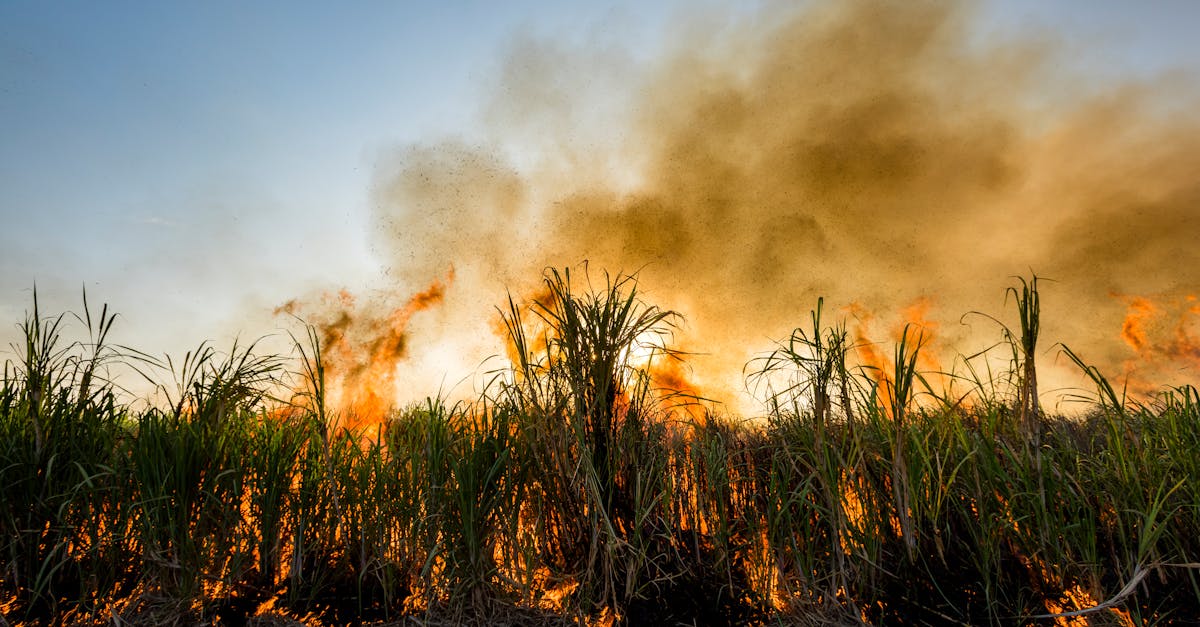
Hawaiian Electric (HECO) has identified critical wildfire risk conditions across Maui, including the Ōmaʻopio and Pūlehu areas of Kahului, and has alerted customers to the possibility of a Public Safety Power Shutoff (PSPS). This proactive measure, if implemented, involves cutting electricity to communities deemed at high risk to prevent wildfire ignitions or spread caused by equipment failure. The company is closely monitoring wind and humidity levels and could enact these shutoffs within the next 24 hours. This is not a drill; businesses operating within these identified zones face immediate and potentially prolonged power interruptions.
Who's Affected
- Small Business Operators: Businesses in Ōmaʻopio and Pūlehu relying on grid power for essential operations (e.g., refrigeration, lighting, point-of-sale systems, machinery) face immediate shutdown. This can lead to spoilage of goods, lost sales, and inability to serve customers. Staffing may also be impacted if employees cannot safely commute or work without power.
- Impact: Lost revenue, spoiled inventory, operational standstill.
- Timeline: Immediate, within 24 hours.
- Real Estate Owners: Property owners and managers with commercial or residential tenants in the affected areas must prepare for tenant inquiries and potential damage claims if perishable goods are lost. Essential building systems like elevators or security could be affected.
- Impact: Tenant dissatisfaction, potential liability, operational disruption of building services.
- Timeline: Immediate, within 24 hours.
- Tourism Operators: Hotels, vacation rentals, and tour operators in Ōmaʻopio and Pūlehu will experience significant service disruptions. Loss of power affects guest comfort, safety systems (lighting, HVAC), communication, and food service, leading to potential guest complaints and negative reviews.
- Impact: Compromised guest experience, reputational damage, operational paralysis.
- Timeline: Immediate, within 24 hours.
- Agriculture & Food Producers: Farms and food processing facilities in Ōmaʻopio and Pūlehu are highly vulnerable. Loss of power can halt irrigation systems, damage temperature-sensitive crops or stored products (e.g., frozen goods, dairy), and disrupt processing operations.
- Impact: Crop damage, product spoilage, significant financial losses.
- Timeline: Immediate, within 24 hours.
Second-Order Effects
A widespread PSPS event, even if temporary, can trigger a cascade of negative economic impacts within Hawaii's already constrained island economy. For instance, prolonged power outages for agricultural producers in Ōmaʻopio and Pūlehu could lead to significant crop loss. This reduced local supply, coupled with potential disruptions in transportation and processing due to lack of power, can cause a spike in prices for affected produce in local markets and restaurants. This increased cost of goods further squeezes already tight margins for small businesses and raises the cost of living for residents, potentially impacting demand for tourism services if overall consumer spending tightens.
What to Do
Given the ACT-NOW urgency, businesses and property owners in Ōmaʻopio and Pūlehu must take immediate steps to mitigate operational and financial risks associated with potential Public Safety Power Shutoffs.
- Small Business Operators:
- Action: Implement your emergency preparedness plan immediately. For food-service or retail businesses with perishable inventory, this means activating backup power systems (generators) or relocating critical inventory to alternative, powered locations before a shutoff occurs. Secure essential business records and consider how to communicate with customers and staff during an outage. For businesses with physical operations, assess the safety protocols for employees if power is lost.
- Deadline: Within the next 24 hours.
- Real Estate Owners:
- Action: Notify all tenants in affected zones (Ōmaʻopio, Pūlehu) about the potential for a PSPS within 24 hours. Advise them on how to prepare regarding essential services, communication, and personal safety. If your property management includes oversight of shared facilities (e.g., elevators, communal refrigeration), ensure backup power systems are tested and ready.
- Deadline: Within the next 24 hours.
- Tourism Operators:
- Action: If operating in Ōmaʻopio or Pūlehu, prepare for immediate service disruptions. Inform guests of the potential power outage and its implications for amenities. Ensure backup generators are operational for critical services like lighting, HVAC, and basic communication. Review contingency plans for food service and guest safety.
- Deadline: Within the next 24 hours.
- Agriculture & Food Producers:
- Action: Prioritize the protection of high-value, perishable assets. Activate backup generators for irrigation, cooling, and processing equipment before any shutoff. If backup power is insufficient for all operations, focus on preserving the most critical crops or products. Secure an alternate, powered location for essential processing or storage if possible. For time-sensitive harvests, consider expedited harvesting if feasible before a potential outage.
- Deadline: Within the next 24 hours.
General Advisory: All affected parties should monitor HECO's official channels for real-time updates on potential PSPS implementation and restoration times. Having portable charging solutions for communication devices is also advised.