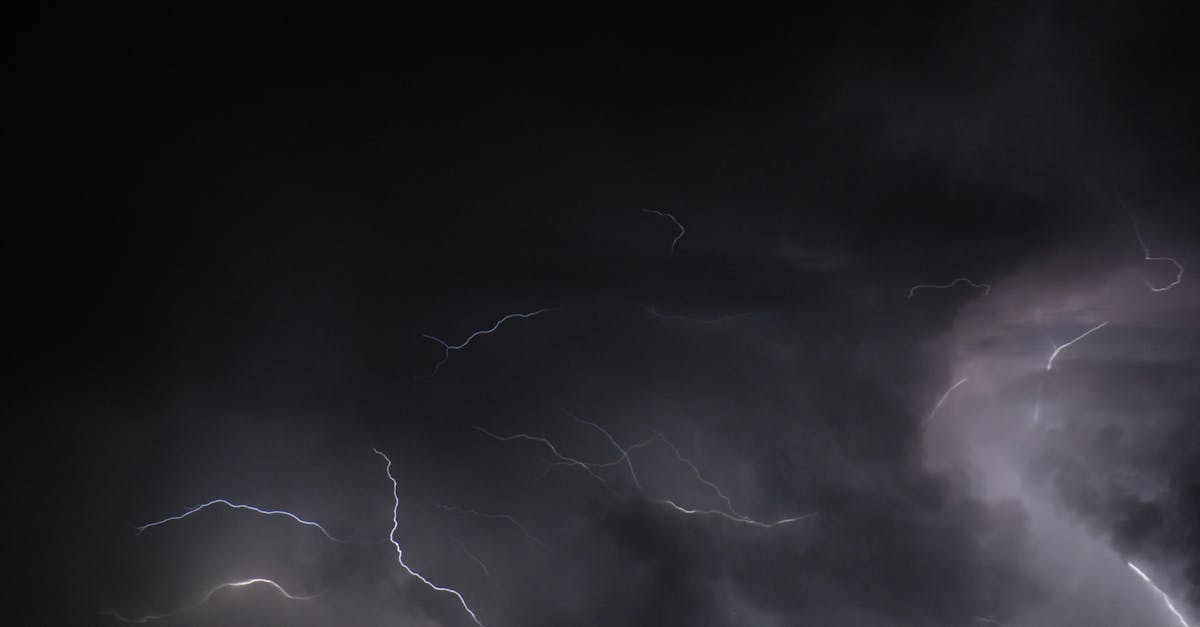
Severe Weather Threatens Operational Shutdown & Financial Losses Across Hawaii
A powerful weather system, influenced by an exceptionally strong El Niño, is projected to bring heavy rains and high winds to all Hawaiian Islands. This imminent threat requires businesses to immediately implement emergency preparedness measures to mitigate significant operational disruptions, potential property damage, and revenue loss.
The Change
All islands are directly in the path of a severe weather system expected to arrive within the next 7 days. This system is characterized by predictions of torrential rainfall, potentially leading to flash floods and landslides, alongside dangerously high wind gusts that could cause widespread power outages and damage infrastructure. The duration of the severe weather is uncertain but anticipated to last for several days, potentially impacting business operations for up to a week.
Source: Hawaii News Network
Who's Affected
Small Business Operators (small-operator)
Businesses operating on the front lines, such as restaurants, retail shops, and local service providers, face immediate risks.
- Operational Disruptions: Potential for closures due to unsafe conditions, power outages, or employee safety concerns. This could lead to a loss of up to 7 days of business, translating to a significant portion of monthly revenue, potentially reaching 15-20% for some businesses.
- Property Damage: Costs associated with repairing damage from high winds, flooding, or falling debris. Initial estimates suggest repair costs could range from hundreds to tens of thousands of dollars depending on the scale of the event.
- Supply Chain Interruptions: Port closures and damaged transportation routes could disrupt the delivery of essential goods, impacting inventory and operational continuity.
- Staffing Challenges: Employees may be unable to report to work due to personal safety concerns or transportation issues.
Real Estate Owners (real-estate)
Property owners, landlords, and developers must assess and reinforce their assets against potential storm damage.
- Property Damage: Risk of damage to buildings, roofs, windows, and landscaping from wind, rain, and debris. This could necessitate costly repairs and extended vacancy periods for affected units.
- Infrastructure Impact: Potential for damage to utilities, including water, sewer, and electrical systems, impacting property functionality.
- Insurance Claims: While insurance may cover damages, the process can be lengthy and may not cover all associated business interruption losses. Deductibles can range from $1,000 to $10,000 or more.
Tourism Operators (tourism-operator)
Hawaii's vital tourism sector is highly vulnerable to severe weather events.
- Flight Cancellations: Airlines are likely to cancel flights, leading to a significant drop in visitor arrivals and departures. This can result in lost bookings and cancellations for hotels, tours, and activities.
- Hotel Occupancy: A surge in cancellations and a drop in new bookings will directly impact hotel revenue. Extended disruptions could lead to occupancy rates falling by 50% or more.
- Tour & Activity Cancellations: Outdoor-focused tours and activities will likely be canceled for safety reasons, resulting in lost revenue and potential refunds.
- Visitor Safety: Ensuring the safety of current guests will be paramount, potentially requiring additional staffing and resources for shelter-in-place scenarios.
Agriculture & Food Producers (agriculture)
Farms, ranches, and food production facilities face direct threats to their operations and output.
- Crop Damage: Heavy rains, flooding, and high winds can destroy crops, leading to immediate and long-term revenue loss. The cost of lost crops can be substantial, impacting the livelihoods of farmers.
- Livestock Risk: Animals are at risk from flooding, exposure, and lack of food or water. Evacuation or sheltering of livestock will incur costs.
- Infrastructure Damage: Damage to irrigation systems, greenhouses, farm buildings, and access roads can halt production.
- Logistical Challenges: Disruptions to inter-island and mainland shipping can affect the delivery of inputs and the export of finished products.
Healthcare Providers (healthcare)
Ensuring continuity of care and patient safety is critical during severe weather.
- Facility Preparedness: Ensuring clinics and hospitals have backup power, emergency supplies, and secure facilities to withstand high winds and flooding.
- Patient Access: Challenges for patients to reach appointments due to transportation issues or unsafe conditions. Telehealth capabilities become crucial.
- Staff Safety: Ensuring healthcare workers can safely travel to and from work to provide essential services.
- Supply Chain: Potential disruptions to the supply of medical equipment, medications, and other critical supplies.
Second-Order Effects
The immediate impact of severe weather on businesses will create a cascade of economic consequences. A widespread operational shutdown, even for a few days, will disrupt local supply chains, leading to temporary shortages of goods and increased prices for essential items. Reduced economic activity will also decrease demand for services, potentially impacting employment and wages in sectors reliant on consistent consumer spending. For the tourism industry, prolonged disruptions could lead to a significant decline in visitor arrivals, impacting not only hotels and tour operators but also the wider retail and dining sectors that depend on tourist spending. This reduction in economic output can strain public services due to decreased tax revenues, potentially leading to delays in infrastructure repairs and public works projects, exacerbating long-term recovery challenges.
What to Do
Small Business Operators
- Action: Activate your business continuity and emergency response plans immediately. Secure inventory and equipment, reinforce windows and doors, and establish clear communication protocols with staff. Identify alternative work arrangements or closure procedures.
- Timeline: Implement all storm preparations before the system arrives. Monitor local weather alerts and official advisories closely.
Real Estate Owners
- Action: Inspect properties for potential vulnerabilities. Secure outdoor items, clear drainage systems, and ensure emergency contact information for tenants is up-to-date. Communicate preparedness measures to tenants.
- Timeline: Complete all property-level preparations immediately. Be prepared for potential water intrusion and wind damage.
Tourism Operators
- Action: Review and update your emergency communication plan for guests and staff. Prepare for potential flight cancellations and adjust booking systems accordingly. Have contingency plans for guest accommodation and essential services during potential disruptions.
- Timeline: Communicate with guests about potential impacts and provide clear instructions. Have staff on standby to manage operational adjustments.
Agriculture & Food Producers
- Action: Secure livestock and move them to safe, elevated locations. Protect crops and equipment from wind and water damage. Ensure backup power for critical operations like irrigation or refrigeration. Coordinate with transport providers regarding potential delays.
- Timeline: Implement protective measures for crops, livestock, and infrastructure before the storm's arrival.
Healthcare Providers
- Action: Verify backup power systems, replenish emergency supplies (medications, water, food), and confirm communication channels with staff and emergency services. Review patient care continuity plans and communicate with patients about potential appointment changes or telehealth options.
- Timeline: Ensure all emergency protocols and supplies are in place immediately. Activate staff communication tree for weather updates and operational status.