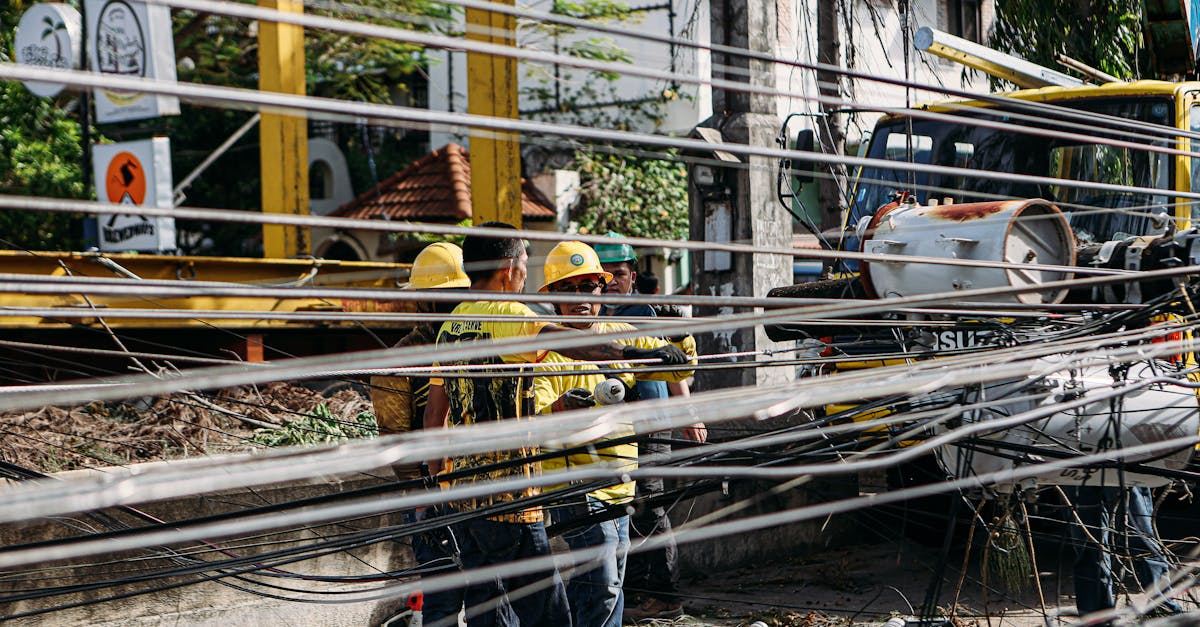
Winter Storms Pose Significant Operational Risk: Businesses Face Extended Downtime and Communication Blackouts
Hawaiʻi's dry season is giving way to increased potential for severe weather. While often thought of as tropical systems, winter storms in the islands can rapidly escalate, bringing prolonged power outages and widespread internet disruption. This is not merely an inconvenience; for businesses across sectors, it represents a significant threat to continuity. Failure to prepare for these events means risking lost revenue, communication breakdown, and an inability to serve customers and clients.
The Change
The transition into Hawaiʻi's winter storm season (typically November through April) elevates the risk of severe weather events. Unlike typical rain showers, these storms can bring high winds, heavy rainfall, and flash flooding, leading to infrastructure damage. The primary concern for businesses is the resulting disruption to essential services: electricity and telecommunications (internet and cellular service).
The Hawaiian Electric Company consistently advises residents and businesses to prepare for potential outages, noting that severe weather is a leading cause. Hawaiian Electric. Similarly, internet service providers, while generally resilient, can experience outages due to damaged infrastructure or overload during widespread emergencies. The combined effect can leave businesses completely offline, unable to operate or communicate for extended periods.
Who's Affected
Small Business Operators (Restaurant Owners, Retail Shops, Service Businesses)
- Operational Downtime: Inability to power refrigerators, ovens, lighting, or point-of-sale systems can halt operations entirely. A prolonged outage (24-72 hours) can lead to significant spoilage for food-based businesses and lost sales for all.
- Communication Blackout: Without power, Wi-Fi and cellular reception often fail. This prevents customers from contacting the business, making reservations, or placing orders. Employees may also be unable to coordinate or receive instructions.
- Data Loss: Uninterrupted power supply (UPS) systems are crucial for safely shutting down sensitive equipment and preventing data corruption or loss.
Real Estate Owners (Property Owners, Landlords, Property Managers)
- Tenant Impact: Power and internet outages can make rental units uninhabitable or unusable for remote workers. Property managers need contingency plans for communication and potential resident support.
- Building Systems: Essential building systems like elevators, security, and emergency lighting may fail without backup power, posing safety risks.
Remote Workers (Digital Nomads, Remote Employees)
- Work Stoppage: Loss of reliable internet and power renders remote work impossible. For those reliant on mainland clients, this can damage professional reputation and income.
- Communication Isolation: Inability to communicate with employers, clients, or emergency services during a critical event.
- Cost of Living Impact: If home power is lost for an extended period, additional costs may be incurred for temporary relocation or charging devices.
Tourism Operators (Hotels, Tour Companies, Vacation Rentals)
- Guest Experience: Power outages disrupt essential services like air conditioning, lighting, and Wi-Fi, severely impacting guest comfort and satisfaction, leading to negative reviews and lost future bookings.
- Booking & Communication Failures: Inability to manage reservations, communicate with guests before or during their stay, or coordinate with transportation services.
- Operational Paralysis: Reliance on powered systems for check-in/check-out, front desk operations, and restaurant services means a complete shutdown during outages.
Entrepreneurs & Startups
- Scaling Barriers: Disruptions can halt critical development, communication with investors, or operational rollout, hindering growth plans.
- Talent Management: Remote teams suffer the same connectivity issues as other remote workers, impacting productivity and morale.
- Investor Confidence: A pattern of significant operational disruption due to weather can deter potential investors.
Agriculture & Food Producers
- Irrigation & Climate Control: Loss of power can halt irrigation pumps and climate control systems in greenhouses, leading to crop damage or loss.
- Processing & Storage: Power is essential for processing equipment, refrigeration, and cold storage, risking spoilage of harvested goods.
- Logistics: Communication failures can disrupt coordination with distributors and transportation.
Healthcare Providers (Private Practices, Clinics, Telehealth)
- Patient Care Disruption: Loss of power can affect critical medical equipment, patient monitoring systems, and emergency lighting. Telehealth services become impossible.
- Record Access: Electronic health record (EHR) systems may be inaccessible without power or network connectivity, essential for providing informed care.
- Communication Breakdown: Inability to contact patients, staff, or emergency services can have life-threatening consequences.
Second-Order Effects
Extended power and internet outages in Hawaiʻi have a cascading impact, amplified by the islands' geographical isolation.
- Reduced Business Productivity → Lost Revenue Across Sectors → Decreased Tax Revenue for State/County → Slower Public Infrastructure Repair & Investment.
- Widespread Communication Failure → Difficulty for Emergency Services to Coordinate → Delayed Disaster Response → Increased Risk to Public Safety.
- Prolonged Outages for Businesses → Increased Operating Costs (generators, fuel) → Higher Prices for Consumers → Reduced Competitiveness for Tourism.
What to Do
Small Business Operators
- Action: Secure portable, rechargeable battery banks for critical devices (phones, routers, POS terminals). Invest in a generator or explore co-location with businesses that have one. Implement a battery backup for your server/POS system. Develop a clear, written communication plan for staff and customers to be enacted during an outage, potentially using pre-printed flyers or a designated radio channel.
- Timeline: Immediately. Begin sourcing equipment and developing plans well before the season's first significant storm.
Real Estate Owners
- Action: Assess building backup power capabilities for essential services (emergency lighting, elevators, security). Ensure property managers have an emergency contact list for all tenants and a communication protocol for outage notifications through alternative means (e.g., text alerts if cell towers are up, or pre-distributed information sheets).
- Timeline: Prioritize assessment and basic tenant communication plans within 30 days. Generator upgrades may require longer lead times.
Remote Workers
- Action: Invest in a high-capacity portable power station (e.g., Jackery, EcoFlow) capable of charging multiple devices and running essential equipment like a laptop and router. Secure a mobile hotspot device with a robust data plan. Identify alternative work locations (co-working spaces, libraries with generators) that are likely to have power and connectivity during outages.
- Timeline: Acquire backup power and data solutions within 14 days. Identify alternative workspaces now.
Tourism Operators
- Action: Equip front desks and essential operational areas with UPS systems. Invest in portable generators for critical functions if feasible. Develop a tiered communication strategy (e.g., pre-printed hotel information packets for guests, robust text/email alerts for bookings, ensuring multiple communication channels are active). Train staff on outage response procedures.
- Timeline: Implement UPS and communication protocol updates within 30 days. Generator acquisition and training may take longer.
Entrepreneurs & Startups
- Action: Ensure all critical workstations and servers have adequate UPS protection. Utilize cloud-based services that are resilient to local outages. Have a robust mobile hotspot strategy for team members and establish clear protocols for remote work during extended power loss.
- Timeline: Review and procure necessary UPS and mobile hotspot solutions within 30 days.
Agriculture & Food Producers
- Action: Install backup generators for critical systems (irrigation pumps, climate control, cold storage). Implement an inventory management system that minimizes spoilage risk during short-term power interruptions and plan for bulk storage with sufficient backup capacity for longer events. Develop communication plans with distributors and suppliers, potentially using satellite phones for critical contacts.
- Timeline: Critical infrastructure assessment and backup power acquisition should begin immediately due to lead times for generators and installation.
Healthcare Providers
- Action: Ensure all critical medical equipment and EHR systems are connected to robust UPS units and have access to backup generators. Maintain updated, offline copies of essential patient data where permissible. Develop clear emergency communication plans utilizing multiple redundant channels, including satellite phones if necessary.
- Timeline: Immediate review and testing of all backup power and communication systems. Ensure offline data backups are current.