Elevated Hurricane Risk Requires Immediate Review of Business Continuity Plans
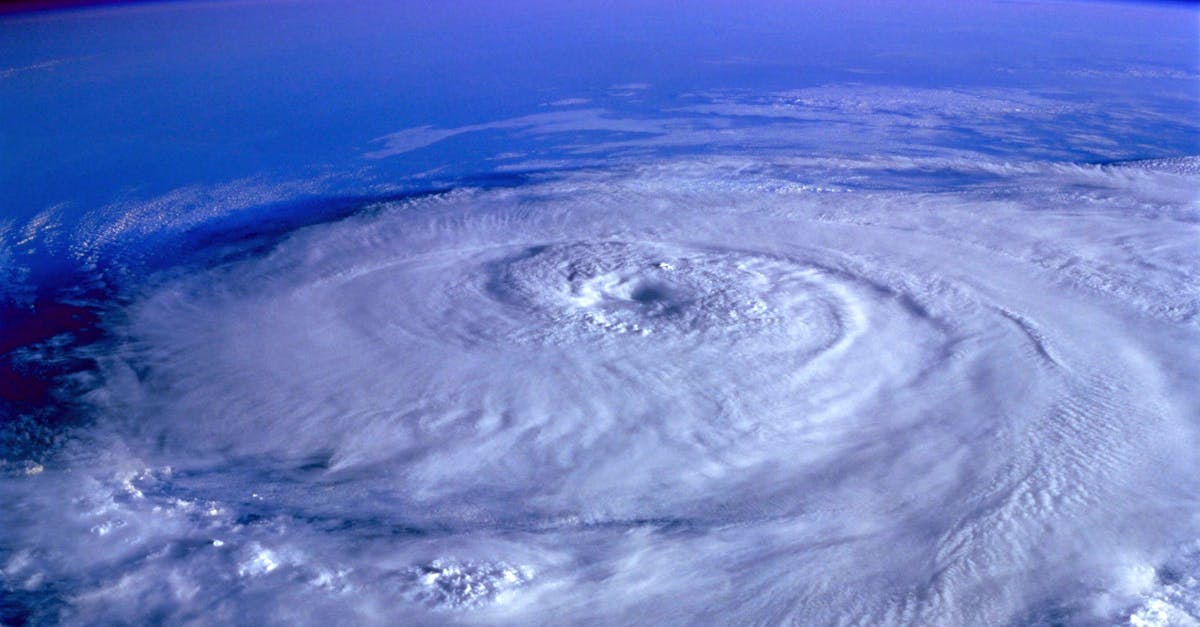
The onset of hurricane season on June 1, coupled with forecasts predicting extreme activity in the Central Pacific, presents a heightened risk starting immediately. Businesses across Hawaii must urgently assess their preparedness for potential storm impacts.
The Change
The Central Pacific Hurricane Center (CPHC) has issued an outlook indicating an unusually active season for the region. While specific storm tracks cannot be predicted this far out, the increased potential for severe weather events means that businesses operating in Hawaii face a greater likelihood of experiencing the effects of tropical storms or hurricanes this season, which typically runs through November 30.
Historically, even storms that do not make direct landfall can cause significant disruption through heavy rains, high winds, and dangerous surf conditions across the islands.
Who's Affected
Small Business Operators (small-operator)
Businesses such as restaurants, retail shops, and service providers face increased operational risks. This includes potential for:
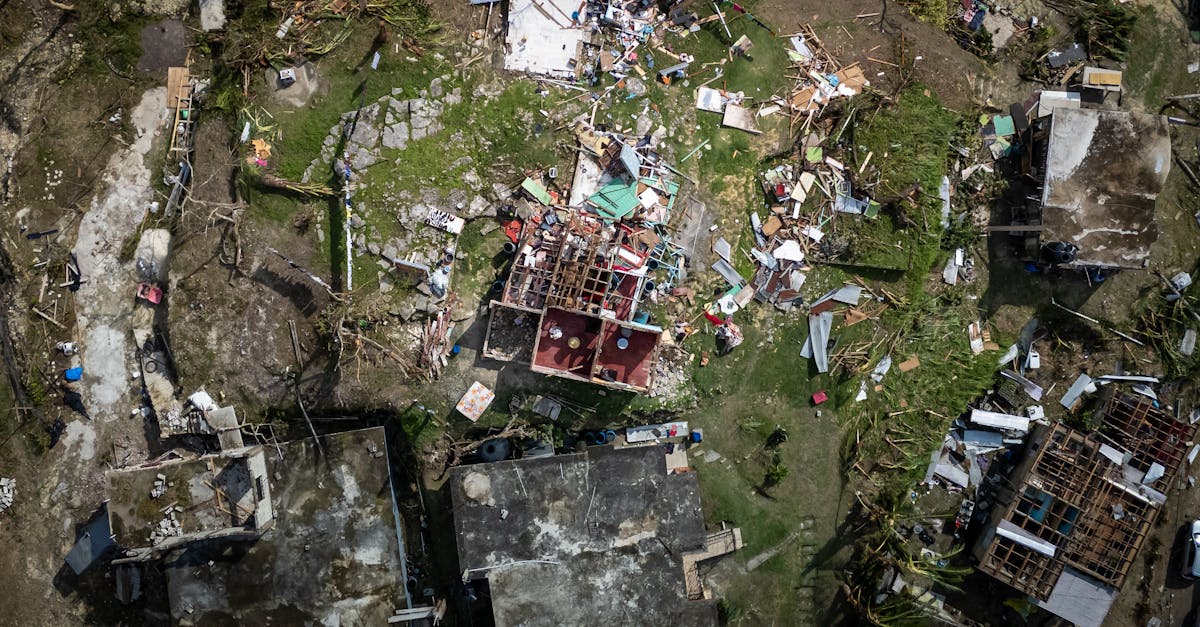
- Property Damage: Costs associated with repairing storm damage, which can be significant for businesses with physical storefronts.
- Extended Closures: Loss of revenue due to mandatory evacuations, power outages, or impassable roads. Supply chain disruptions can also lead to stock shortages.
- Increased Insurance Premiums: Following a severe season, insurance costs are likely to rise.
Real Estate Owners (real-estate)
Property owners, developers, and landlords should anticipate:
- Physical Damage: Risk of damage to residential and commercial properties, requiring potentially costly repairs.
- Increased Insurance Costs: Higher premiums and deductibles for hazard and flood insurance.
- Disruption to Tenants: Potential for loss of rental income if tenants are displaced or if properties are uninhabitable.
Tourism Operators (tourism-operator)
Hotels, tour companies, and vacation rental providers are particularly vulnerable to:
- Travel Disruptions: Cancellations and reduced bookings due to flight cancellations and traveler advisories.
- Operational Challenges: Managing guest safety, potential evacuations, and post-storm recovery.
- Reputational Risk: Negative impacts on Hawaii's image as a safe destination if preparedness or recovery is perceived as inadequate.
Agriculture & Food Producers (agriculture)
Hawaii's agricultural sector is at high risk from:
- Crop Loss: Severe winds and flooding can decimate crops, leading to immediate income loss and long-term supply shortages.
- Livestock Impact: Damage to shelters and grazing lands, and potential loss of livestock.
- Supply Chain Bottlenecks: Disruption to transportation networks, impacting the ability to get goods to market or receive necessary supplies (including imported goods subject to the Jones Act).
Healthcare Providers (healthcare)
Healthcare facilities and providers must prepare for:
- Increased Demand: A potential surge in demand for emergency medical services.
- Operational Continuity: Ensuring critical infrastructure (power, water, communication) remains functional for patient care.
- Staffing Challenges: Difficulties for staff to reach facilities due to transportation issues.
- Supply Shortages: Disruptions to the delivery of medical supplies and pharmaceuticals.
Second-Order Effects
Beyond immediate property damage, a severe hurricane season can create cascading economic impacts throughout Hawaii's isolated island economy.
- Disrupted Supply Chains: Major storms can damage ports and impact shipping lanes, leading to shortages of essential goods and increased costs for imported materials.
- Reduced Tourism Revenue: Significant storm activity can deter visitors, impacting the broader tourism ecosystem from hotels and restaurants to transportation and retail.
- Increased Cost of Living: Shortages of goods and materials, coupled with higher insurance and rebuilding costs, can drive up prices across the board for consumers and businesses.
- Strain on Public Services: Significant damage can strain local government resources for emergency response, infrastructure repair, and business support, potentially delaying recovery efforts.
What to Do
While the exact path and intensity of any storm remain uncertain, the forecast warrants proactive measures. The primary recommendation is to review and update disaster preparedness plans within the next 30 days. This involves not just physical preparations but also financial and operational contingency planning.
Small Business Operators
- Action: Review and update your business continuity plan, including emergency contact lists, evacuation procedures, and communication protocols with staff and suppliers. Assess your insurance coverage for adequacy against potential wind and flood damage. Secure any outdoor signage or equipment. Ensure critical data is backed up off-site or in the cloud.
Real Estate Owners
- Action: Inspect properties for potential vulnerabilities (e.g., roof, windows, drainage) and conduct necessary preventative maintenance. Review insurance policies to understand coverage limits and deductibles for wind, flood, and business interruption. Communicate emergency procedures to tenants and ensure sufficient supplies of property maintenance essentials are on hand.
Tourism Operators
- Action: Update emergency communication plans with staff and guests. Review cancellation policies and communication strategies for potential travel disruptions. Ensure backup power sources are functional and that arrangements are in place for essential supplies (food, water) to sustain operations if access is limited.
Agriculture & Food Producers
- Action: Secure livestock and agricultural infrastructure (e.g., greenhouses, irrigation systems). Identify alternative water sources if rainfall is insufficient or if irrigation systems are damaged. Review supply chain logistics for critical inputs and consider stocking additional inventory if feasible. Communicate with buyers regarding potential supply disruptions.
Healthcare Providers
- Action: Review and test emergency power and communication systems. Ensure adequate stocking of essential medical supplies, pharmaceuticals, and emergency provisions for staff and patients. Coordinate with local emergency management agencies and update patient surge plans.
Monitoring: Businesses should closely monitor advisories from the Central Pacific Hurricane Center (CPHC) and local emergency management agencies. Pay attention to updated seasonal outlooks and any formation of tropical systems in the region. Advance warning of potential landfall or significant impact will be crucial.