Hurricane Fausto Threatens 7-14 Day Disruption to Hawaii Business Operations
Executive Brief
Hurricane Fausto is projected to near the Hawaiian Islands early to mid next week, increasing the risk of wind and rain impacts. Businesses must prepare for potential supply chain disruptions, property damage, and operational halts. Owners should enact emergency preparedness plans immediately.
- Small Business Operators: Face potential closure, damaged inventory, and supply chain interruptions.
- Real Estate Owners: Risk structural damage to properties and increased insurance claims.
- Tourism Operators: Expect flight cancellations, booking surges followed by sharp drops, and property damage.
- Agriculture & Food Producers: Vulnerable to crop destruction, livestock loss, and damaged infrastructure.
- Healthcare Providers: Prepare for increased demand, staffing challenges, and facility damage.
- Action: Act now to implement emergency plans before the end of next week.
The Change
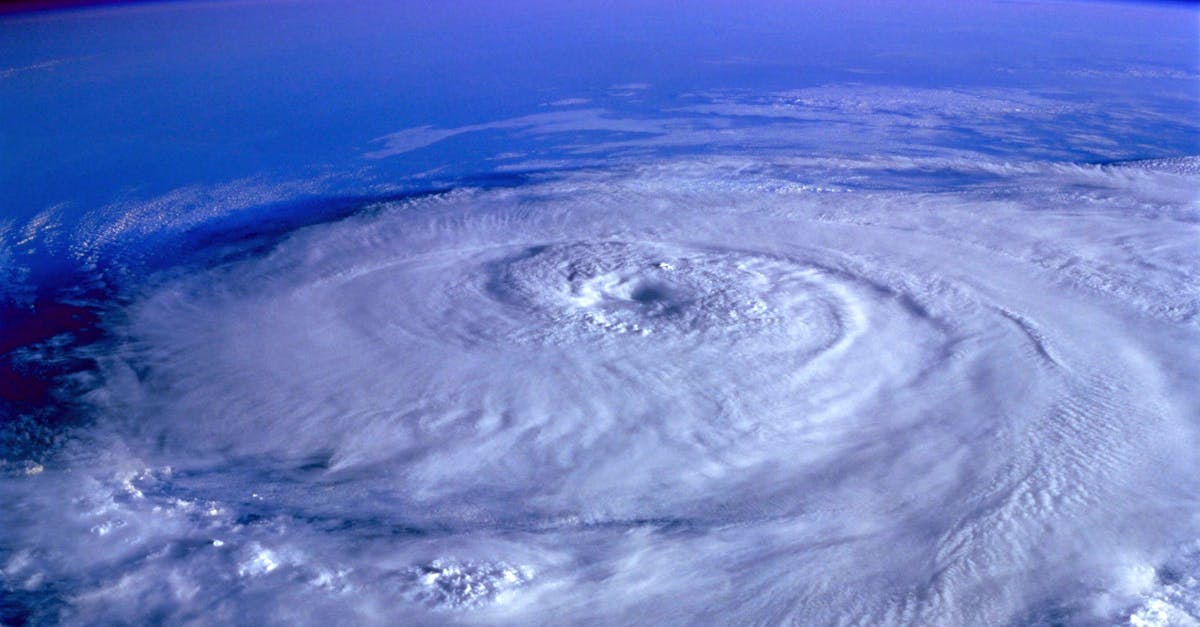
Hurricane Fausto, currently a Category 3 storm, is forecast to pass close to the Hawaiian Islands in the early to mid-week of July 29 - August 4, 2026, according to the National Hurricane Center. While the storm is projected to weaken, the risk of significant wind and rainfall impacts for the entire island chain has increased. This means there is a heightened probability of tropical storm-force winds, heavy rainfall leading to flash flooding, and potentially dangerous storm surge impacting coastal areas across Kauai, Oahu, Maui, and the Big Island.
Forecasters emphasize that hurricane tracks can change. The exact intensity and path will become clearer over the next 48-72 hours, but the current trajectory necessitates immediate preparedness actions across all sectors.
Who's Affected
Small Business Operators (small-operator)
For owners of restaurants, retail shops, service businesses, and local franchises, the primary concern is operational continuity and asset protection. Potential impacts include:
- Revenue Loss: Expected closures during the period of highest risk (estimated 7-14 days of potential disruption). Non-essential businesses may be mandated to close.
- Inventory Damage: High winds can damage stock, while heavy rain and flooding can ruin perishable goods, particularly for food-service businesses and retailers.
- Supply Chain Disruptions: Interruption of shipments due to port closures, damaged infrastructure, and airline/shipping cancellations could halt inventory replenishment for weeks.
- Staffing Challenges: Employees may be unable to commute to work due to weather conditions or personal safety concerns. Some may need to attend to their own property.
- Increased Costs: Overtime for cleanup, repairs, and potential temporary relocation of operations.
Real Estate Owners (real-estate)
Property owners, landlords, and developers face risks to physical assets and potential liabilities:
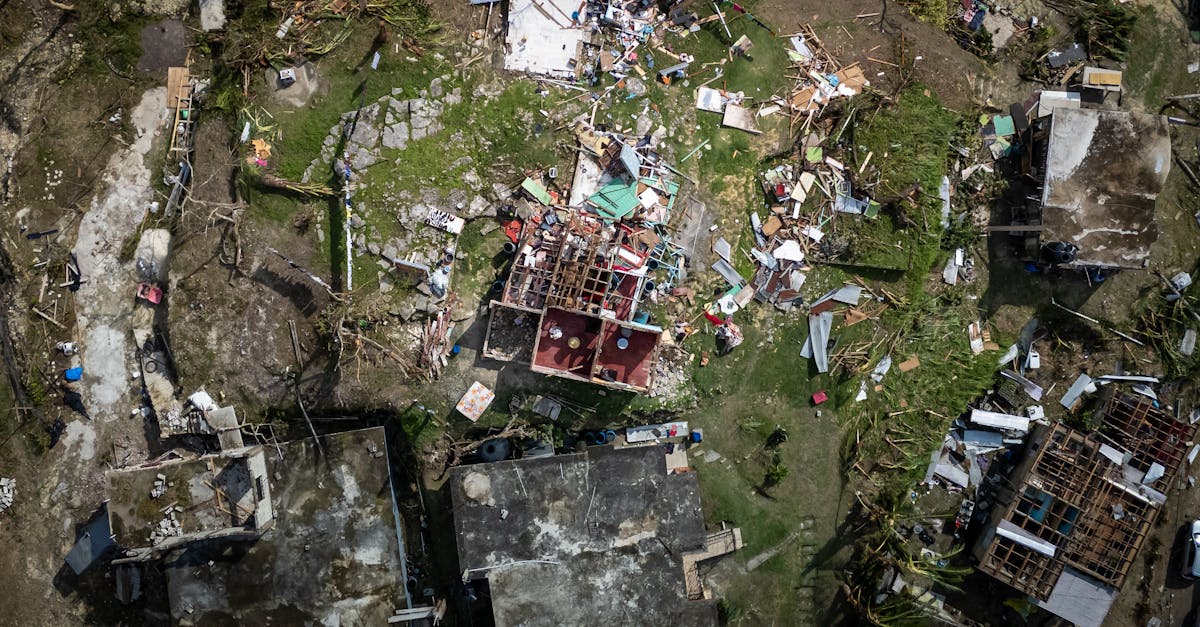
- Structural Damage: High winds can cause roof damage, break windows, and destabilize structures. Coastal properties are at risk of storm surge and flooding.
- Property Damage Costs: Insurance deductibles and exceeding coverage limits are likely concerns. Premiums may rise following extensive damage across the islands.
- Tenant Displacement: Rendered properties may leave tenants unable to occupy their homes or businesses, creating legal and financial complexities for landlords.
- Development Delays: Construction sites are vulnerable, potentially leading to significant delays and cost overruns for ongoing projects.
Tourism Operators (tourism-operator)
This sector is acutely vulnerable due to the reliance on visitor travel and established infrastructure:
- Flight Cancellations: Major airlines will likely cancel flights into and out of Hawaii days in advance, leading to mass cancellations of bookings.
- Booking Volatility: Initial cancellations will be followed by a surge in demand once conditions improve, but recovery may take weeks.
- Property Damage: Hotels, resorts, and vacation rentals face risks similar to other real estate owners, with potential for widespread damage impacting operations.
- Tour Cancellations: Ocean and land-based tours will be suspended, leading to direct revenue loss and reputational damage if cancellations are poorly managed.
- Reputational Risk: A perception of unpreparedness or slow recovery can deter future bookings.
Agriculture & Food Producers (agriculture)
This sector experiences direct impact on crops, livestock, and vital infrastructure:
- Crop Destruction: High winds and heavy rainfall can flatten crops, causing complete loss of harvest. Flooding can damage soil and root systems.
- Livestock Loss: Extreme weather poses a risk to animal health and survival.
- Infrastructure Damage: Greenhouses, barns, irrigation systems, and processing facilities are vulnerable to wind and water damage.
- Transportation Halts: Inability to transport harvested goods to markets or ports can lead to spoilage and further economic loss.
Healthcare Providers (healthcare)
Essential services must maintain operations under extreme duress:
- Increased Patient Load: Anticipate a rise in weather-related injuries (falls, cuts from debris) and medical emergencies exacerbated by stress and displacement.
- Staffing Shortages: Healthcare workers may face challenges commuting, requiring robust contingency plans for essential personnel.
- Facility Damage: Hospitals and clinics, especially those in flood-prone or coastal areas, risk damage that could impair operations.
- Supply Chain Issues: Medical supply deliveries may be delayed, impacting availability of critical equipment and pharmaceuticals.
- Telehealth Strain: Increased demand on telehealth services, potentially strained by local power outages or internet disruptions.
Second-Order Effects
The immediate impacts extend through Hawaii's interconnected economy. Disruptions to inter-island shipping, exacerbated by potential damage to ports and increased demand for essential goods, will lead to shortages and price hikes for groceries and other consumer items. This will strain household budgets for residents, potentially leading to reduced discretionary spending at local businesses. A significant downturn in tourism, even for a short period, can have cascading effects on employment in hospitality and related service industries, potentially increasing demand for social services.
What to Do
Given the projected timeline of early to mid-next week for potential impacts, all affected roles must act immediately. The action window closes within the next 7-14 days as the storm approaches.
Small Business Operators
- Review and Activate Emergency Plans: If you don't have one, create a basic plan NOW covering:
- Securing inventory and equipment (move indoors, elevate, tie down).
- Communication protocols for staff and customers (pre-drafted messages).
- Power outage contingency (generators, battery backups).
- Data backup (cloud services crucial).
- Communicate with Suppliers: Inquire about their hurricane preparedness and potential delays. Identify alternative suppliers if possible.
- Secure Finances: Ensure access to cash if ATMs and card readers are down. Assess insurance coverage.
- Monitor Official Advisories: Stay updated via Maui Emergency Management Agency or your local EMA.
Real Estate Owners
- Property Inspection: Conduct a thorough check of roofs, windows, doors, and drainage systems. Make immediate repairs to vulnerable areas.
- Secure Outdoor Items: Remove or secure any loose objects (patio furniture, construction materials) that could become projectiles.
- Communicate with Tenants: Provide clear evacuation or shelter-in-place guidance. Remind them of their responsibilities.
- Review Insurance Policies: Understand deductibles and coverage limits for wind and flood damage.
- Prepare for Post-Storm Operations: Have contractors on standby for emergency repairs.
Tourism Operators
- Proactive Cancellation Policies: Update your booking systems and communicate clearly and empathetically with guests booked for the affected period. Offer flexible rebooking options.
- Staff Communication & Safety: Ensure staff have clear instructions, transportation plans, and understand safety protocols. Implement plans for essential on-site personnel.
- Property Hardening: Secure all outdoor areas, review drainage, and prepare for potential power outages.
- Monitor Airline and Travel Advisories: Stay in constant communication with major carriers and tourism boards for the latest updates.
Agriculture & Food Producers
- Secure Livestock: Move animals to safe, sturdy shelters.
- Protect Crops: Implement any available measures to protect high-value crops (e.g., temporary coverings, support structures).
- Secure Equipment and Facilities: Tie down mobile equipment, secure barns and storage units, and check irrigation systems for potential damage.
- Irrigation System Check: Ensure drainage is clear to prevent flooding of fields and crops.
Healthcare Providers
- Activate Emergency Operations Plan: Review and reinforce critical care protocols, staffing rosters, and communication chains for emergencies.
- Stockpile Supplies: Ensure adequate inventory of medications, consumables, and emergency power fuel.
- Staff Preparedness: Confirm staff can reach facilities or have designated alternate housing if necessary.
- Patient Load Management: Prepare for increased emergency department traffic and potential disruptions to scheduled appointments and elective procedures.
- Telehealth Infrastructure Review: Ensure backup power and connectivity for telehealth services.
All entities should establish a point person for monitoring storm developments and executing preparedness actions. Collaboration and information sharing between businesses and local emergency management agencies are critical for a coordinated response and swift recovery.