Hurricane Preparedness Mandate: Actions Required to Mitigate Operational Disruption
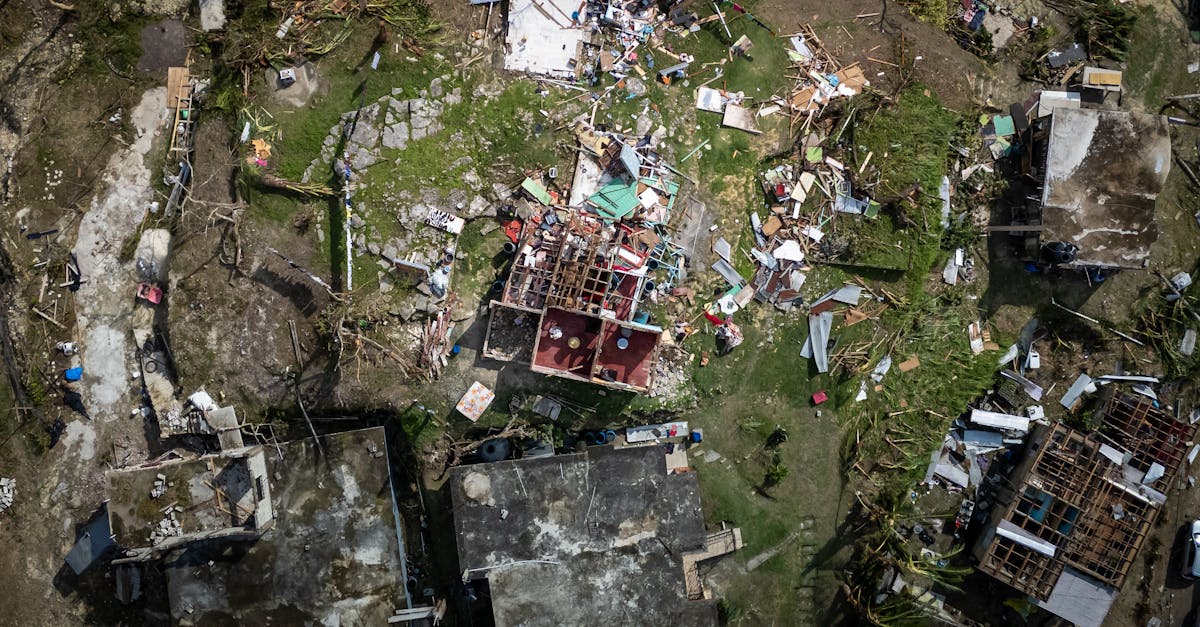
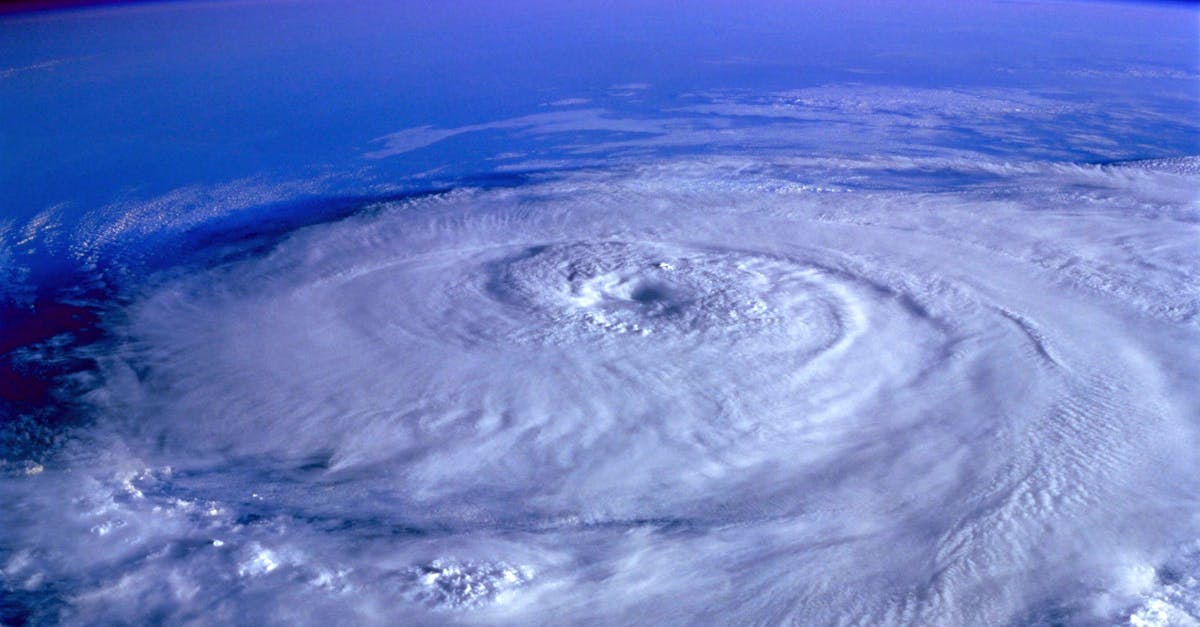
The approaching hurricane season necessitates an urgent review and enhancement of business continuity and emergency preparedness plans across all sectors in Hawaii. Hawaiian Electric (HECO) has issued a strong advisory urging all residents and businesses to take proactive steps now to prepare for potential severe weather events, emphasizing that delays could lead to significant operational disruptions, property damage, and safety risks.
This advisory is not a hypothetical exercise; it's a critical call to action that requires immediate attention to ensure resilience. The window for thorough preparation is narrowing, and businesses must prioritize these steps to safeguard their operations, assets, and personnel.
The Change
Hawaiian Electric's guidance (May 28, 2026) emphasizes that preparedness activities, including securing supplies, reinforcing structures, and developing communication plans, should be completed before the peak of hurricane season, which typically runs from August to October. The core message is to move from awareness to actionable preparation.
This includes:
- Reviewing and testing emergency power sources (generators, fuel reserves).
- Securing physical assets (e.g., boarding windows, reinforcing structures, anchoring outdoor equipment).
- Stockpiling essential supplies (water, non-perishable food, first-aid, batteries, communication devices).
- Developing robust communication plans for employees, customers, and suppliers.
- Reviewing insurance policies to ensure adequate coverage for storm-related damage.
- Identifying evacuation routes and shelter-in-place procedures.
Who's Affected
Small Business Operators (Restaurants, Retail, Services, Franchises):
- Impact: Disruption to supply chains, potential loss of inventory due to power outages or spoilage, extended closures affecting revenue streams, and the need for immediate staff communication and safety protocols.
- Urgency: High. Businesses without updated plans face immediate revenue loss and potential damage if a storm occurs within the next 30-60 days.
Real Estate Owners (Property Owners, Developers, Landlords):
- Impact: Risk of property damage from high winds and flooding, leading to costly repairs and potentially prolonged vacancy. Tenant safety and communication are paramount.
- Urgency: High. Pre-storm mitigation (e.g., securing properties, clearing drainage) can prevent significant financial losses.
Tourism Operators (Hotels, Tour Companies, Vacation Rentals):
- Impact: Potential for cancellations, guest safety concerns, operational disruptions (e.g., power outages affecting amenities), and supply chain issues for food and services.
- Urgency: High. Pre-season preparation is vital for maintaining guest confidence and operational readiness.
Agriculture & Food Producers (Farmers, Ranchers):
- Impact: Loss of crops, livestock, and potential damage to farm infrastructure. Difficulty in accessing markets post-storm.
- Urgency: High. Protective measures for crops and livestock must be in place before severe weather strikes.
Healthcare Providers (Private Practices, Clinics, Telehealth):
- Impact: Critical need for reliable emergency power for life-sustaining equipment, preparedness for patient surge or evacuation, and continuity of medication and supply chains.
- Urgency: Critical. Failure to prepare can have life-threatening consequences.
Second-Order Effects
Severe weather events in Hawaii exacerbate existing supply chain vulnerabilities. Shortages of essential goods (e.g., fuel, food staples, building materials) can become acute post-storm, leading to price inflation and extended recovery times. A prolonged power outage, for instance, could cripple local businesses reliant on refrigeration or digital operations. This, in turn, strains local resources, increases demand on emergency services, and can lead to a temporary decrease in tourism if connectivity and accessibility are compromised, impacting the broader island economy. Furthermore, business disruptions can put downward pressure on wages or lead to layoffs if recovery is protracted, affecting the cost of living and consumer spending for affected communities.
What to Do
This is an urgent call to action. Procrastination on hurricane preparedness can lead to substantial financial losses, operational downtime, and safety hazards. Businesses that delay risk:
- Increased repair costs: Acting now allows for more cost-effective mitigation measures.
- Extended business interruption: Delays in securing supplies or reinforcing structures can prolong closures.
- Reputational damage: Inability to serve customers or ensure staff safety during an event can harm a business's standing.
Specific Actions by Role:
-
Small Business Operators: If you haven't already, convene your team to review and update your hurricane preparedness plan by July 1, 2026. Focus on communication protocols, emergency supply kits, and backup power solutions. Ensure all staff are aware of their roles and responsibilities. Hawaiian Electric's Emergency Preparedness Tips provide a comprehensive checklist.
-
Real Estate Owners: Conduct property-level risk assessments by July 1, 2026. Ensure all properties have adequate storm shutters, drainage systems are clear, and emergency contact information is updated for all tenants. Review insurance policies for current coverage limits and deductibles against potential storm damage.
-
Tourism Operators: Finalize and communicate your hurricane contingency plans to all staff and outline them to guests by July 1, 2026. This includes guest evacuation procedures, communication methods, and backup plans for essential services like power and water. Secure any necessary bookings for backup generators or supplies.
-
Agriculture & Food Producers: Assess and implement protective measures for crops and livestock by July 1, 2026. This might include reinforcing greenhouses, securing irrigation systems, or having plans for livestock shelter and relocation. Confirm access to emergency feed and water supplies.
-
Healthcare Providers: Review and test emergency power systems and backup fuel supplies immediately. Conduct a full drill of patient evacuation and surge capacity plans by July 1, 2026. Ensure critical medical supplies and pharmaceuticals are adequately stocked and secured.
General Recommendation for All:
- Review Insurance Coverage: By July 15, 2026, ensure your business insurance policies are up-to-date and adequately cover potential losses from wind, flood, and business interruption. Consult with your insurance provider.
- Establish Communication Channels: Develop primary and secondary communication methods for employees and key stakeholders that do not rely solely on cellular networks (e.g., satellite phones, two-way radios, pre-arranged check-in times).
Failure to act now significantly increases the risk of severe consequences should a storm impact the islands.