The Change
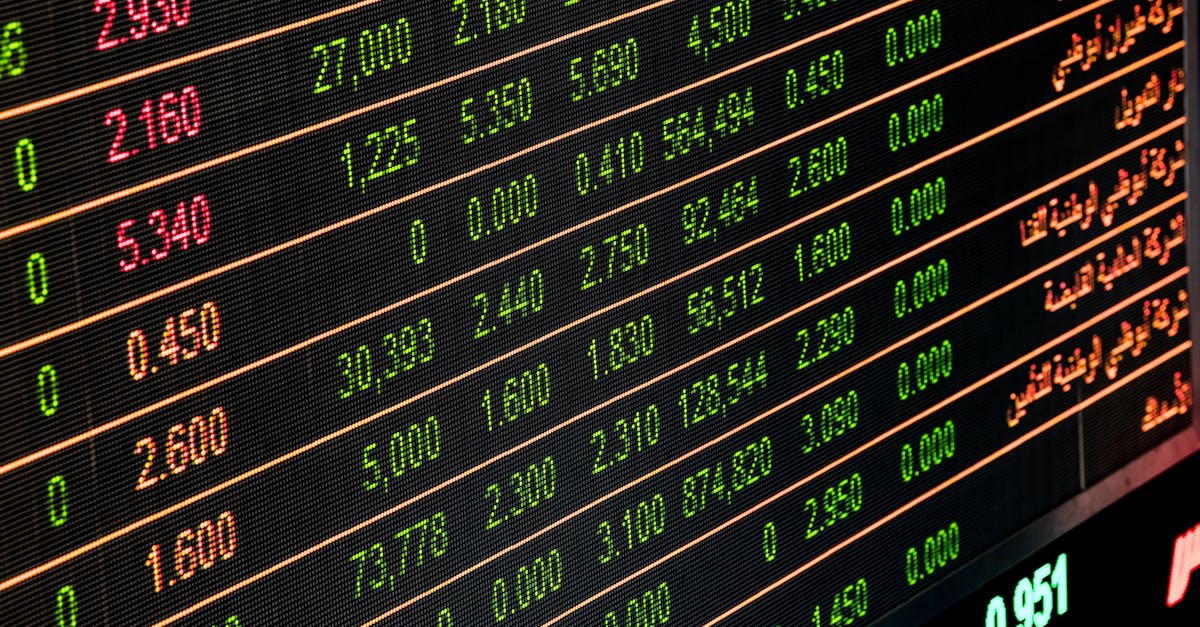
Global equity markets have entered a period of significant decline, with major U.S. indexes, including the Dow Jones Industrial Average, entering correction territory. This has been primarily driven by ongoing geopolitical instability and conflict in the Middle East, which has suppressed investor appetite for risk. This trend, which has intensified over the past month, indicates a broad-based market sentiment shift away from growth assets towards safer havens. The uncertainty is expected to persist as long as these geopolitical tensions remain unresolved.
Who's Affected?
Investors Portfolio managers, venture capitalists, angel investors, and individual investors holding significant equity or diversified portfolios are likely to experience increased volatility and potential declines in asset values. This downturn necessitates a review of risk tolerance and asset allocation. Real estate investors may face challenges securing favorable financing terms as lenders become more risk-averse.
Entrepreneurs & Startups Access to venture capital and other forms of funding may become more challenging as investors seek to preserve capital amidst market uncertainty. Startups relying on the public markets for exits or further funding rounds may face delays or require more favorable terms. Scaling operations may need to be re-evaluated, with a potential pause in aggressive growth strategies.
Real Estate Owners While direct real estate markets may show some resilience, the broader economic slowdown and tightening credit conditions could impact property valuations and the availability of development or acquisition financing. Developers might face increased costs due to higher interest rates and a more cautious lending environment.
Small Business Operators Although less directly exposed to stock market fluctuations, small businesses can be indirectly affected. A general economic slowdown can lead to reduced consumer spending. Furthermore, if the market downturn impacts lending institutions, small businesses may find it harder to secure or refinance loans.
Tourism Operators Currently, the direct impact on the Hawaiian tourism sector appears limited as travel demand remains relatively robust. However, a prolonged global economic downturn fueled by geopolitical uncertainty could eventually curtail discretionary spending on travel, impacting visitor numbers and revenue.
Second-Order Effects
A sustained global market downturn and economic uncertainty can lead to reduced foreign investment in Hawaii's real estate market, potentially stabilizing or slightly decreasing property values. This, coupled with tighter lending conditions, could slow down new development projects. Local businesses, including restaurants and retail shops, might experience a decrease in tourism-related spending and local consumer demand, leading to pressure on operating margins and potentially affecting hiring or wage growth. Entrepreneurs seeking seed or Series A funding could face longer fundraising cycles and lower valuations, impacting their ability to scale operations and contribute to job creation.
What to Do
Investors: Monitor key market indices such as the S&P 500, NASDAQ Composite, and Dow Jones Industrial Average daily. Volatility is expected to continue as long as geopolitical tensions persist. Consider rebalancing portfolios to align with risk tolerance, potentially increasing allocation to less volatile assets or focusing on defensive sectors. Trigger condition: If the S&P 500 experiences further declines of 5% or more over a two-week period, re-evaluate asset allocation and consider de-risking concentrated positions.
Entrepreneurs & Startups: Focus on extending runway and managing cash flow prudently. Prioritize achieving key milestones that demonstrate value and resilience. For those actively fundraising, be prepared for longer due diligence periods and potentially lower valuations. Trigger condition: If venture capital funding rounds in your sector become scarce or valuations drop by more than 15% over a quarter, consider pivoting to revenue-generating activities or exploring alternative, less dilutive financing options.
Real Estate Owners: Review existing financing and explore options for extending terms or locking in rates if possible. Be prepared for potentially slower sales cycles and more stringent lending requirements for new acquisitions or development projects. Trigger condition: If benchmark interest rates for commercial real estate loans increase by over 100 basis points within a single quarter, begin contingency planning for higher debt servicing costs and potential project delays.
Small Business Operators: Strengthen relationships with local banks and lenders. Focus on operational efficiency and customer retention to buffer against potential downturns in consumer spending. Trigger condition: If local consumer spending indicators (e.g., retail sales data) show sustained declines of 3% or more year-over-year for two consecutive quarters, reassess inventory levels and marketing spend.
Tourism Operators: While direct impacts are currently minimal, monitor global economic indicators and traveler sentiment. Maintain high service standards to retain market share. Trigger condition: If international travel advisories related to economic instability increase significantly or airline capacity to Hawaii shows a sustained 5% decline, re-evaluate marketing strategies and staffing levels.