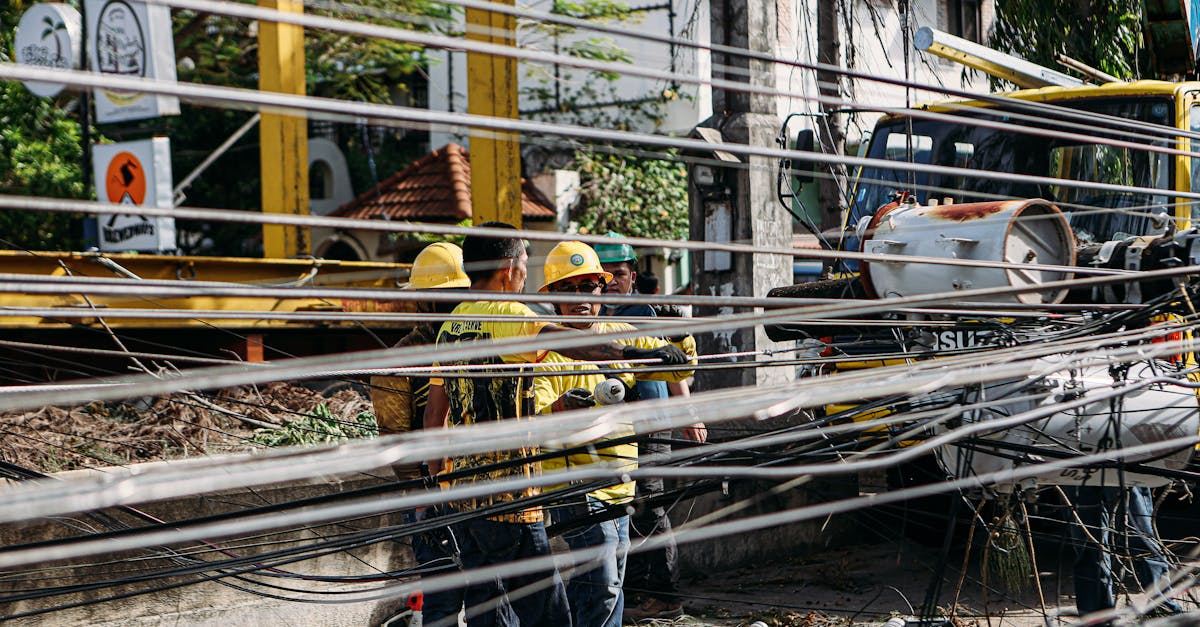
Maui Businesses Face Extended Disruptions as Widespread Power Outages Continue
Significant power outages affecting thousands of customers across Maui, particularly in Upcountry and East Maui, are posing immediate operational challenges for businesses. The disruption, caused by underground cable faults stemming from heavy rains and flooding, is expected to continue, necessitating proactive emergency response and contingency planning.
The Change
As of Monday morning, March 16, 2026, Hawaiian Electric (HECO) reported approximately 15,500 customers without power across the state, with a substantial concentration of 4,300 customers impacted on Maui. Outages are concentrated in Upcountry and East Maui, including areas like Haiku and Kihei, due to faults in underground electrical cables. While HECO crews are working to restore power, the nature of the damage and ongoing weather conditions suggest that restoration may be protracted. Historically, such widespread underground cable faults during severe weather events can lead to restoration times of several days, depending on the severity of the damage and accessibility of the affected infrastructure.
Sources confirm that these faults are a direct consequence of the heavy rainfall and subsequent flooding experienced across the island.
Who's Affected
Small Business Operators: Businesses in the affected zones, including restaurants, retail shops, and service providers, face immediate operational paralysis. Loss of power means inability to operate point-of-sale systems, lighting, refrigeration, and essential equipment. This could lead to significant spoilage of perishable inventory, lost revenue for every hour of downtime, and challenges in communication with staff and customers. Small operators without backup generators are particularly vulnerable to extended periods of non-operation, impacting their cash flow and sustainability.
Tourism Operators: Hotels, resorts, tour companies, and vacation rental managers are on the front lines of guest impact. Power outages can disrupt check-in/check-out processes, essential services like air conditioning, lighting, and communication systems within properties. Guest satisfaction is likely to decline, potentially leading to negative reviews and future booking cancellations. Tour operators may need to cancel or reschedule activities, impacting their revenue streams and reputation. Businesses reliant on consistent internet connectivity for bookings and operations will also face significant disruption.
Real Estate Owners: While not directly impacting operations in the same way as businesses, property owners with commercial leases in the affected areas will need to consider the implications for their tenants. Landlords may face requests for rent abatements if businesses are unable to operate. The resilience of their property's infrastructure, including any backup power solutions, becomes a critical factor. Long-term, repeated disruptions could influence property values and leasing strategies, particularly for properties in flood-prone or weather-vulnerable zones.
Agriculture & Food Producers: Farmers, ranchers, and food processing facilities are at high risk of significant losses. Power is essential for irrigation pumps, cold storage, processing equipment, and lighting in greenhouses or animal housing. Extended outages can lead to the spoilage of harvested crops, loss of refrigerated or frozen goods, and the inability to process raw materials. This threat could extend to aquaculture operations relying on power for aeration systems. The impact on supply chains, both for local markets and potential exports, could be substantial.
Entrepreneurs & Startups: Tech-focused startups and growth-stage companies that rely heavily on internet connectivity and powered workspaces will face immediate productivity halts. Remote teams may be affected if their home infrastructure is also impacted. While some may have cloud-based operations, physical office spaces and connected hardware become inoperable. For startups in early stages, prolonged downtime could disrupt critical development cycles or client service delivery, potentially impacting investor confidence or contract fulfillment.
Second-Order Effects
Extended power outages on Maui can trigger a cascade of negative economic consequences due to Hawaii's isolated and interconnected supply chains. If widespread spoilage of perishable goods occurs, it could lead to short-term price increases for available produce and dairy as demand outstrips the diminished local supply. This heightened cost of goods will eventually translate to the consumer, potentially increasing the cost of living, which can already be high on the island. For businesses, especially those in the food service or hospitality sectors, these increased input costs, coupled with lost revenue from downtime, will squeeze profit margins. This can reduce their ability to hire or retain staff, potentially leading to labor shortages in sectors already facing staffing challenges. Furthermore, prolonged disruptions can deter potential investors and impact the long-term viability of businesses operating in less resilient areas, potentially impacting the overall economic diversification efforts.
What to Do
Small Business Operators: Act Now. Immediate activation of business continuity plans is paramount. If you have backup generators, ensure they are operational and fueled. Prioritize the protection of critical inventory and equipment. Communicate transparently and frequently with your staff regarding operational status and safety protocols. Reach out to your landlord and key suppliers to inform them of the situation. If your business relies on digital infrastructure, assess alternative connectivity options or operational pauses.
Tourism Operators: Act Now. Prioritize guest communication. Inform guests of the situation honestly and provide updates as HECO releases them. Utilize any available backup power for essential guest services and amenities like lighting in common areas and basic communication. Evaluate the impact on scheduled tours and activities, and communicate cancellations or postponements proactively to minimize dissatisfaction and rebooking conflicts. Ensure staff are briefed on emergency procedures and guest communication talking points.
Real Estate Owners: Watch and Prepare. While direct action may not be immediately required for property infrastructure unless critical systems are affected, be prepared for tenant inquiries. Have information readily available about HECO's estimated restoration times and potential duration of impact. For commercial properties, ensure your lease agreements clearly outline responsibilities during utility disruptions. Review your property's resilience to weather-related events for future preparedness.
Agriculture & Food Producers: Act Now. If not already done, implement emergency protocols for preserving perishable goods. This may involve manual inventory checks, moving stock to any available cold storage, or making decisions about immediate sale or distribution if full spoilage is imminent. Ensure animal welfare is maintained if power is critical for their environment. Document all losses for potential insurance claims or disaster relief applications.
Entrepreneurs & Startups: Act Now. Assess the impact on your team's ability to work and your core services. If physical infrastructure is down, leverage cloud-based backups and remote work capabilities where possible. Communicate any expected delays in service delivery to clients or stakeholders immediately. Review your business continuity plans for utility dependence and explore contingency measures such as portable power solutions or alternative workspace arrangements if prolonged outages are anticipated.