


Maui Businesses Face Extended Disruptions from Ongoing Power Outages
Executive Brief
Approximately 1,000 Maui residents and businesses remain without power, with nearly 240 in East Maui facing multi-day restoration timelines due to extensive damage. Small businesses and tourism operators in affected areas should prepare for prolonged operational impacts and potential revenue loss.
- Small Business Operators: Extended closure risk, spoilage, loss of income.
- Tourism Operators: Service disruptions, negative guest experiences, potential cancellations.
- Agriculture & Food Producers: Crop spoilage, processing delays, water pump failures.
- Healthcare Providers: Disruption to patient care, equipment malfunction, telehealth unreliability.
- Action: Monitor HECO restoration updates and implement business continuity plans.
The Change
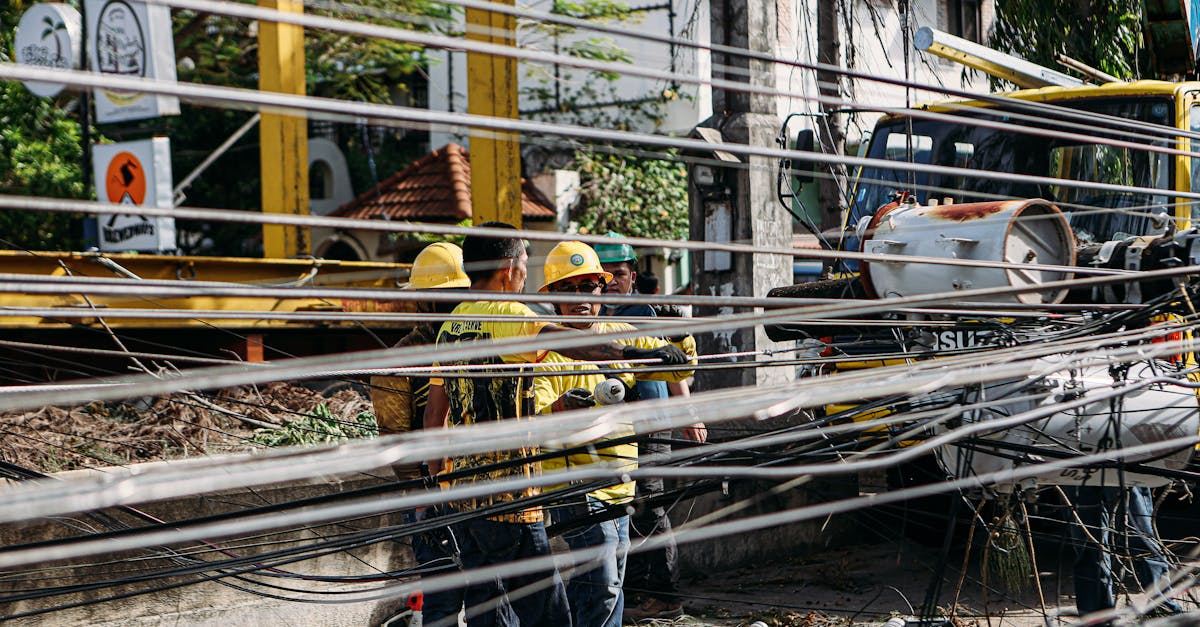
As of Tuesday, March 18, 2026, Hawaiian Electric (HECO) crews are working to restore power to approximately 1,000 customers across Maui. A significant portion of these extended outages, affecting around 240 customers primarily in East Maui, is due to severe damage including over 20 downed poles and multiple spans of downed power lines. HECO has indicated that full restoration for these specific areas could take several days. This is a continuation of an outage that began earlier, with ongoing assessment and repair work.
Who's Affected
Small Business Operators (small-operator): Businesses in East Maui, particularly those relying on consistent electricity for operations (e.g., restaurants, retail stores, service providers), face significant disruption. Extended outages can lead to spoiled inventory, inability to process transactions, loss of essential services, and potential revenue loss directly proportional to the duration of the outage. Staffing may also become an issue if employees cannot reach work or if operations cease.
Tourism Operators (tourism-operator): Hospitals, vacation rental properties, tour operators, and other hospitality businesses in affected zones are at high risk. Lack of power impacts guest comfort (air conditioning, lighting), food preparation, internet connectivity, and overall service delivery. This can lead to guest dissatisfaction, negative reviews, and potential cancellations, directly affecting occupancy rates and revenue. Communication with guests and staff can also be severely hampered.
Agriculture & Food Producers (agriculture): Farms and food producers in the affected regions may experience crop spoilage due to non-functional refrigeration and irrigation systems. Processing facilities could face significant delays. For aquaculture operations, power outages can be critical for maintaining water quality and life support systems for marine life.
Healthcare Providers (healthcare): Clinics, private practices, and any medical facilities in East Maui without reliable backup power face critical patient care challenges. Diagnostic equipment, life-support systems, and electronic health records may become inaccessible or inoperable. Telehealth services will be entirely disrupted, and even basic functions like lighting and air conditioning in waiting areas or patient rooms can be compromised.
Real Estate Owners (real-estate): While direct impact is less immediate, landlords of commercial properties in affected areas may face tenant issues related to business interruption and rent abatements. Property managers will be deluged with tenant concerns and complaints. Development projects in the area could also see delays if construction sites lose power necessary for equipment and operations.
Second-Order Effects
Extended power outages on Maui can cascade through the island's economy. A prolonged loss of electricity for businesses, especially in key tourism corridors, can reduce overall visitor spending. This reduction in economic activity can, in turn, decrease demand for local goods and services, potentially impacting supply chains and leading to slower growth in sectors reliant on local consumption. Furthermore, disruptions to essential services like refrigeration can create localized food shortages or price increases for available goods.
What to Do
Small Business Operators: Initiate your business continuity plan. If you have backup power, ensure it is functional and understand its limitations. Document all inventory spoilage and potential revenue loss for insurance claims. Communicate proactively with staff and customers regarding operational status. Begin planning for potential extended closures.
Tourism Operators: Activate emergency power protocols for critical guest services. Communicate transparently with current and future guests about potential impacts. Consider offering service modifications or compensation for significant disruptions. Ensure backup communication channels are available.
Agriculture & Food Producers: Assess and protect perishable inventory immediately. Prioritize critical operations like water pumping and essential climate control if backup power is available. Document all losses for insurance and potential government relief programs.
Healthcare Providers: Rely on emergency backup power for critical medical equipment. Secure patient records and contingency plans for care continuity. If telehealth is your primary service, develop a plan for communicating with patients about service unavailability and rescheduling.
Real Estate Owners: Be prepared to address tenant concerns regarding business interruption. Review lease agreements for clauses related to force majeure and power outages. Document any property damage that may occur due to power fluctuations or the outage itself.
Monitoring: Closely monitor daily updates from Hawaiian Electric regarding restoration progress and estimated timelines. Pay particular attention to the duration of extended outages in East Maui. Any indication of delays beyond the initial multi-day estimate should trigger activation of more robust contingency plans, including exploring temporary relocation for critical operations or securing off-island resources if feasible.

