


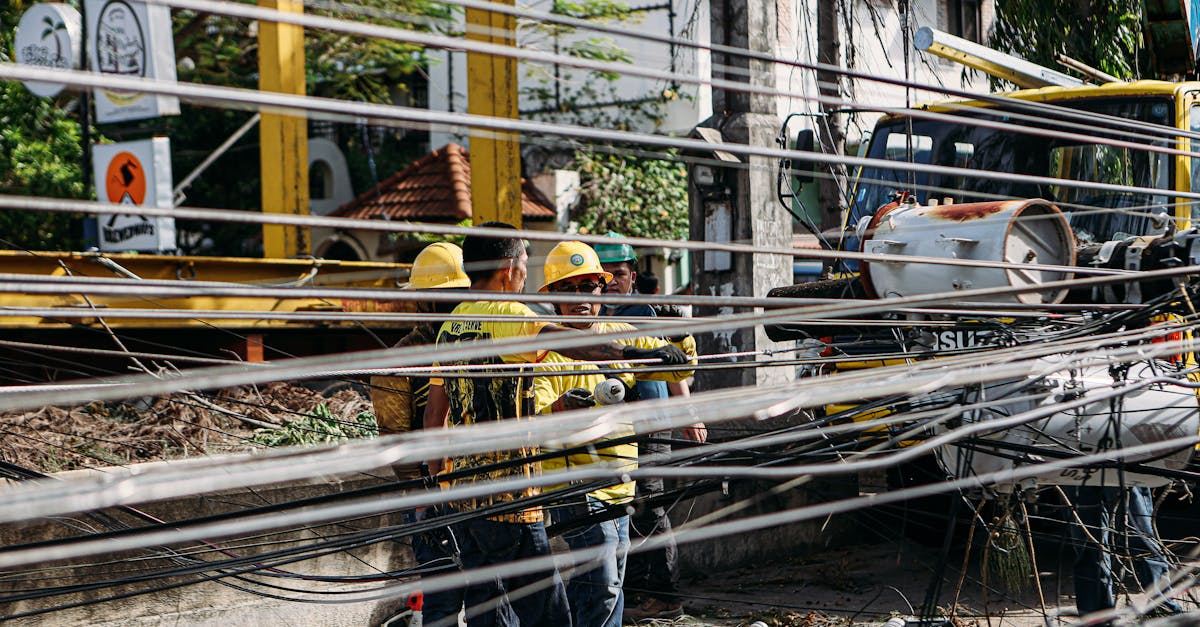
Maui Businesses Face Extended Operational Disruptions During Ongoing Power Outages
Executive Brief
Approximately 9,300 Maui County customers, including critical Upcountry, South, and East Maui regions, remain without power, forcing businesses to implement contingency plans and potentially impacting revenue and operations. Aerial damage assessments are underway, but restoration timelines remain uncertain, requiring immediate operational adjustments. Small business operators, tourism providers, and agricultural producers must assess their vulnerabilities and activate backup strategies now.
- Small Business Operators: Face direct revenue loss due to inability to operate, increased costs for backup power, and potential spoilage of inventory.
- Tourism Operators: Risk negative guest experiences, cancellations, and reputational damage if essential services (AC, hot water, Wi-Fi) are disrupted.
- Agriculture & Food Producers: Confront potential crop spoilage, disrupted irrigation systems, and challenges in processing and cold storage.
- Timeline: Immediate and ongoing throughout the power restoration period.
- Action: Actively implement backup power plans, communicate with customers/guests about potential disruptions, and assess inventory/equipment risks.
The Change
As of March 15, 2026, Hawaiian Electric (HECO) reported that approximately 9,300 customers in Maui County are still experiencing power outages. These disruptions are concentrated in Upcountry, South, and East Maui. HECO personnel have been mobilized for damage assessments, with aerial inspections planned for East Maui and Kula, weather permitting. The duration of these outages, and thus the timeline for full restoration, remains uncertain pending the completion of these assessments and the extent of the damage. This prolonged disruption necessitates immediate operational adjustments for businesses reliant on consistent electricity.
Who's Affected
Small Business Operators (small-operator)
Businesses in the affected areas of Upcountry, South, and East Maui are facing significant operational challenges. For retail establishments, the inability to process transactions or maintain lighting and climate control means direct revenue loss. Restaurants are at risk of inventory spoilage if refrigeration and cooking equipment are offline for extended periods, leading to significant financial losses. Service-based businesses requiring computers, internet, or specialized equipment will also be unable to operate. The longer these outages persist, the higher the costs associated with implementing and sustaining backup power solutions, such as generators.
Tourism Operators (tourism-operator)
For hotels, resorts, and vacation rental properties, extended power outages can severely impact guest satisfaction. Essential services like air conditioning, hot water, Wi-Fi, and lighting are critical for a positive guest experience. Disruptions can lead to complaints, requests for compensation, and negative reviews, damaging the establishment's reputation. Tour operators may face cancellations or rescheduling due to their inability to operate pre-booked excursions or transport guests. This can cascade into booking hesitancy for future visitors.
Agriculture & Food Producers (agriculture)
Farmers and food producers in affected regions face critical risks to their operations. Irrigation systems, pumps, and climate-controlled greenhouses or storage facilities are highly dependent on electricity. Extended outages can lead to crop damage, spoilage of harvested produce, and disruption in animal husbandry operations. Food processing facilities that rely on machinery, refrigeration, and cold storage are also at high risk of losing perishable goods. The ability to meet supply contracts or export commitments can be compromised.
Second-Order Effects
Extended power outages in key agricultural and tourism regions can trigger a cascade of economic consequences. For instance, disruptions to agriculture can lead to reduced local supply of produce, driving up retail prices for consumers and impacting the margins of restaurants. Similarly, if tourism infrastructure is significantly hampered, it can reduce visitor arrivals, impacting employment across various sectors, including hospitality, retail, and transportation. This can also exacerbate existing labor shortages as some workers might seek more stable employment elsewhere.
What to Do
Small Business Operators
Immediate Actions Required:
- Activate Backup Power: If you have generators, ensure they are operational and fueled. If not, assess the feasibility and cost of renting temporary generators for critical equipment (refrigeration, POS systems).
- Inventory Management: Prioritize and protect perishable inventory. Move stock to functioning refrigerators or coolers if possible, or enact a plan for safe disposal if prolonged outages are anticipated.
- Customer Communication: Proactively inform customers of potential service disruptions, delays, or closures. Update your website, social media, and any direct communication channels.
- Staffing Adjustments: Assess staffing needs based on operational capacity. Communicate with employees regarding work status and potential hazards.
Tourism Operators
Immediate Actions Required:
- Guest Communication: Inform guests about the outage and the steps being taken to mitigate the impact. Be transparent about service limitations (e.g., intermittent Wi-Fi, limited AC in certain areas).
- Backup Power Activation: Ensure backup generators are functioning for essential services like life safety, critical guest amenities, and communication systems.
- Service Adjustments: Adjust service offerings as needed. Consider temporary menu changes for restaurants or offering alternative amenities.
- Contingency Planning: Review and activate pre-established crisis communication and operational contingency plans for extended outages.
Agriculture & Food Producers
Immediate Actions Required:
- Protect Perishables: Implement plans to protect harvested crops and stored goods. This may involve moving items to alternative powered locations if available or activating any available backup power for cold storage.
- Irrigation & Equipment: Shut down non-essential irrigation and machinery to conserve fuel for backup generators where applicable, and to prevent damage from power surges upon restoration.
- Assess Crop/Livestock Health: Monitor crops and livestock closely for any signs of stress due to interrupted climate control or water supply.
- Supply Chain Communication: Notify buyers and partners of potential delays in harvesting, processing, or delivery due to the power disruption.

