Hurricane Threat: Immediate Operational Disruptions & Property Risk for Hawaii Businesses
Executive Brief
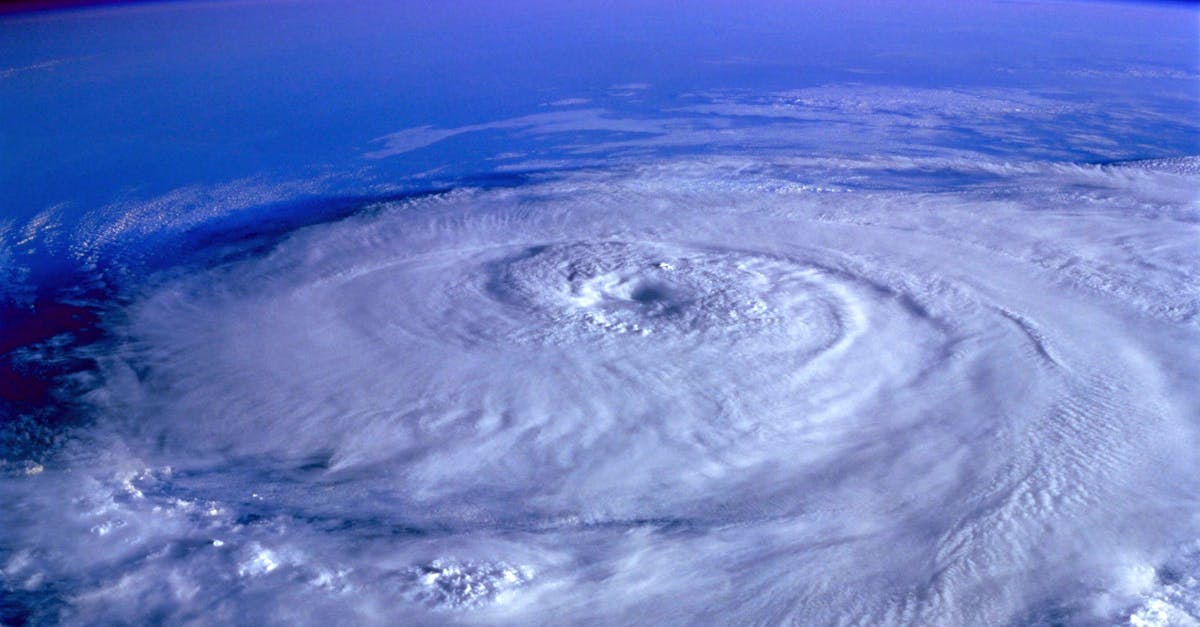
Tropical Storm Lala is forecast to become a hurricane by Saturday, bringing potentially severe weather to Hawaii that threatens business operations, supply chains, and property. Immediate action is required to mitigate damage and ensure continuity.
- Small Business Operators: Risk of physical damage, power outages, and supply chain interruptions.
- Real Estate Owners: Potential for property damage and business interruption claims.
- Tourism Operators: Cancellations, flight disruptions, and safety concerns.
- Agriculture & Food Producers: Crop damage, harvesting disruption, and transport delays.
- Healthcare Providers: Service interruptions, patient safety concerns, and supply shortages.
Action: All affected roles must implement emergency preparedness plans immediately, securing property and operations before Saturday.
The Change
Tropical Storm Lala, currently in the Central Pacific, is projected to intensify into a hurricane by Saturday, August 16, 2026. Forecasters at the Central Pacific Hurricane Center (CPHC) indicate a direct or near-direct impact on the Hawaiian Islands, bringing risks of sustained high winds, torrential rainfall, and dangerous surf conditions. The exact trajectory and intensity remain subject to change, but the current forecast necessitates immediate preparedness measures across all sectors.
Who's Affected
Small Business Operators (small-operator)
Businesses relying on physical locations, including restaurants, retail stores, and service providers, face significant risks. Potential impacts include:
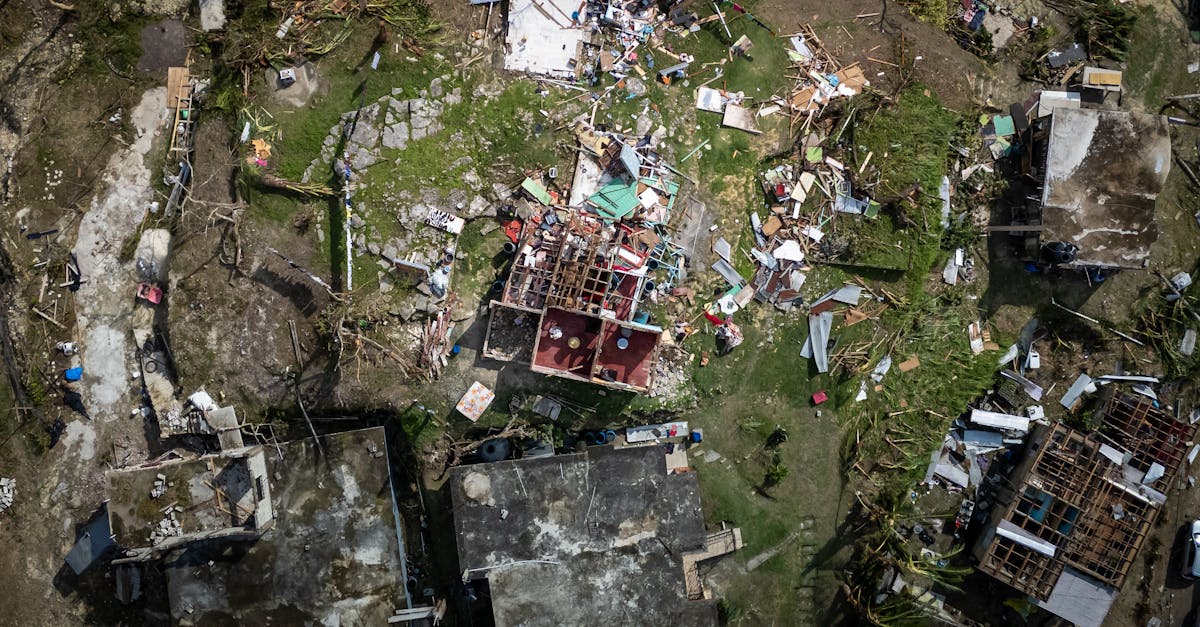
- Physical Damage: High winds can cause structural damage, broken windows, and damage to outdoor seating or displays. Heavy rainfall can lead to flooding, particularly in low-lying areas.
- Power Outages: Widespread power outages are probable, disrupting operations, refrigeration, and point-of-sale systems. The duration of outages can vary significantly.
- Supply Chain Disruptions: Interisland and mainland shipping could be halted or severely delayed due to port closures and rough seas. This impacts inventory and the ability to receive essential supplies.
- Staffing Challenges: Employees may be unable to travel to work due to safety concerns, road closures, or personal property protection needs.
- Revenue Loss: Mandatory closures, reduced foot traffic, and operational disruptions will lead to immediate revenue loss.
Real Estate Owners (real-estate)
Property owners, landlords, and property managers must prepare for potential damage and business interruption.
- Property Damage: Roofs, windows, and exterior structures are vulnerable to high winds and heavy rain. Flood damage is a concern for properties in susceptible zones.
- Business Interruption: Tenant businesses may suffer revenue loss and require rent abatement, impacting rental income.
- Insurance Claims: Property owners should review their insurance policies for hurricane, flood, and business interruption coverage. Prompt claims filing will be critical.
- Infrastructure Strain: Power outages and storm debris can strain local infrastructure, affecting property services.
Tourism Operators (tourism-operator)
Hawaii's vital tourism sector is highly vulnerable to severe weather events.
- Cancellations and Rebookings: Tourists may cancel existing bookings due to travel advisories or safety concerns. Expect a surge in rebooking requests post-storm, but significant immediate cancellations.
- Flight Disruptions: Airlines will likely ground flights to and from affected islands, impacting both arriving and departing travelers. Significant delays are probable even after the storm passes.
- Operational Shutdowns: Hotels, tour operators, and recreational facilities may need to close temporarily for guest safety and operational continuity.
- Reputational Risk: The perception of Hawaii as a safe destination can be affected by significant weather events and the perceived preparedness of the industry.
Agriculture & Food Producers (agriculture)
Farms, ranches, and food production facilities are directly exposed to the elements.
- Crop Damage: High winds can flatten crops, and heavy rainfall can lead to waterlogging, rot, and soil erosion. Delicate crops are particularly vulnerable.
- Livestock Safety: Producers must ensure livestock are sheltered and have access to food and water.
- Harvesting Disruptions: Storm conditions will halt harvesting activities, potentially leading to spoilage of mature crops.
- Transportation Delays: Supply chains for delivering produce to local markets or export will be severely disrupted by road closures and port shutdowns.
Healthcare Providers (healthcare)
Ensuring continuity of care is paramount, but storm conditions pose significant challenges.
- Patient Safety: Hospitals and clinics must implement emergency protocols to ensure patient safety and maintain essential services during power outages and potential structural damage.
- Staffing Shortages: Healthcare professionals may face difficulties reaching facilities due to hazardous conditions or personal safety needs.
- Supply Chain Issues: Medical supplies, pharmaceuticals, and equipment delivery can be severely impacted, leading to shortages.
- Telehealth Strain: While telehealth can offer a partial solution, it relies on stable power and internet connectivity, which may be compromised.
Second-Order Effects
This storm's impact will extend beyond immediate property damage and operational halts. The isolation of Hawaii means that disruptions to interisland and international transport will have cascading effects. A significant hurricane could cripple ports and airports for weeks, leading to prolonged shortages of essential goods, including food, fuel, and medical supplies. This will drive up local prices for these commodities, increasing operating costs for businesses and the cost of living for residents. Furthermore, extended power outages can cripple communication networks, impacting business operations and emergency response coordination. The rebuilding effort following a major storm can also strain local construction resources, potentially increasing costs for any ongoing or future development projects.
What to Do
All affected roles must activate their emergency preparedness and business continuity plans immediately. The window to secure assets and operations before Saturday's potential hurricane conditions is rapidly closing.
Small Business Operators
- Secure Property: Board up windows and doors, bring in or secure outdoor furniture/signage, and move inventory to higher ground if in a flood-prone area.
- Protect Equipment: Unplug sensitive electronics and move them away from windows. Consider generators for essential operations if power is critical.
- Review Inventory: Assess perishable goods and consider preemptive sales or donations if spoilage is likely.
- Communicate with Staff: Ensure employees have a clear understanding of work status, safety procedures, and communication protocols during and after the storm.
- Contact Suppliers: Inquire about their preparedness and potential delivery delays.
- Check Insurance: Review business interruption and property damage coverage. Document existing conditions of your property.
Real Estate Owners
- Secure Buildings: Ensure roofs, windows, and doors are sealed and secure. Trim hazardous trees and branches near structures.
- Communicate with Tenants: Provide clear guidance on tenant safety and property securing responsibilities. Discuss potential rent relief or business interruption implications.
- Review Insurance Policies: Verify coverage limits and deductibles for wind, rain, and flood damage. Be prepared to document damage for claims.
- Inspect Drainage Systems: Clear gutters and storm drains to mitigate water pooling and flooding.
- Prepare for Outages: Ensure common area lighting and any essential building systems have backup power if possible.
Tourism Operators
- Guest Safety: Prioritize guest safety. Communicate updated weather information and safety protocols clearly and frequently.
- Cancellation/Rebooking Policies: Have clear, communicated policies for cancellations, refunds, and rebooking due to the storm.
- Coordinate with Airlines/Travel Agents: Stay informed about flight status and assist guests with rebooking arrangements.
- Secure Facilities: Secure outdoor areas, pool furniture, and any loose items that could become projectiles.
- Staff Preparedness: Ensure staff have a plan for their own safety and know their roles during and after the storm.
Agriculture & Food Producers
- Protect Crops: Implement any available crop protection measures (e.g., windbreaks, covering sensitive plants).
- Secure Livestock: Ensure all livestock are moved to safe, sheltered locations with adequate food and water.
- Harvest Strategically: Harvest mature crops that are at high risk if feasible and safe.
- Secure Equipment/Storage: Store machinery, tools, and harvested produce in secure, flood-protected areas.
- Monitor Water Systems: Ensure irrigation and drainage systems are functioning correctly.
Healthcare Providers
- Activate Emergency Plans: Execute established hurricane preparedness and continuity of operations plans.
- Ensure Staff Safety & Availability: Coordinate staffing schedules to account for travel difficulties and ensure adequate personnel.
- Stockpile Supplies: Verify adequate stock of essential medications, medical supplies, and fuel for generators.
- Secure Facilities: Reinforce buildings, secure windows, and prepare for potential utility disruptions.
- Patient Communication: Prepare communication channels for informing patients about service disruptions or changes.
- Telehealth Contingency: Assess the resilience of telehealth platforms and have backup communication methods ready.